


Demerara Distillers
Rumové etikety















Mé láhve plné rumu

| Odkazy: |
El Dorado Demerara Distillers Europe, The Netherlands |
| Viz také: |
Demerara Distillers Europe b.v, Zaandam, Nizozemsko Demerara Distillers (U.K.) Ltd., Velká Británie |

Historie
Firma Demerara Distillers byla zalozena roku 1670 v okrese Demerara v Guyaně. Je to výhradní producent světově proslulého rumu Demerara.
Historie D.D.L. se datuje do počátku 17. století, kdy Guyana (pak Britská Guyana), měla velké množství cukrovarů s malým lihovarem zpracovávajícím melasu, hlavní vedlejší produkt výroby cukru. Každý cukrovar produkoval svůj vlastní osobitý rum pod vlastní značkou např. SWR, AN nebo ICBU.
Rumy poslali do Anglie a tak začal po celém světě obchod s rumem označeným Demerara. Tento název může být dnes užíván pouze pro rumy vyrobené v Guyaně.
Tehdy většinu těchto palíren vlastnila anglická společnost Booker Bros. McConnel & Company Limited, obchodoval jako Booker Rum Company a Sandbach Parker Holdings obchodoval jako Diamond Alkohol Limited. Tyto dvě společnosti se v roce 1976 sloučili do společnosti Guyana Liquor Corp., která se v roce 1983 přejmenovala na Demerara Distillers Limited.
Po roce 1960 přinesl technologický pokrok a požadavky trhu sloučení mnoha malých palíren do čtyř lihovarů, které se dále sloučili do D.D.L. s jedním lihovarem na plantáži Diamond na východním břehu řeky Demerara.
Daimond Distillery má nejstarší fungující tzv. Coffeyův destilační přístroj [tzn. kontinuální] na světě. Předpokládá se, že vyrábí rum po více než 150 let.
Dceřiné společnosti:
The Cane Spirit Rothschild (zvláštní nápoj ze St Kitts, vyrobený z čerstvé šťávy z cukrové třtiny) spolu s Belmont Estate Coconut Rum jsou produkty stáčírny provozované Demerara Distillers na St Kitts.
Demerara Distillers Europe BV řídí distribuci a stáčení z rumů El Dorado pro evropský trh, největší trh společnosti. Operuje z Zandaamu v Holandsku a prodává El Dorado rumy ve více než dvaceti zemích po celé Evropě.
dříve Superior Distribution Limited, začal pracovat na Trinidadu a Tobagu v roce 1995 jako malá distribuční společnost Demerara Distillers. Dnes společnost zůstává sice malá, ale je schopna pronikat na trh Trinidu.
Společnost s centrálou v Peru plní El Dorado rumy pro jiho- a středoamerické trhy.
Firma operuje z Miami na Floridě řídí distributory rumu El Dorado v 50 státech Spojených států amerických.
Demerara Shipping Company Limited byla založena z potřeby zajistit našim zákazníkům rychlou a spolehlivou přepravní službou.
Distribution Services Limited založená v roce 1992 jako stoprocentní dceřiná společnost Demerara Distillers Limited.
Od roku 1983 dodává přírodní ovocné šťávy pro místní trh. Od roku 1993 je dceřinou společností Demerara Distillers.
Solutions 2000 Inc. se v únoru roku 1997 stal prvním komerčním Internet Service Provider (ISP) v Guyaně.
Vláda Jamajky s potěšením oznamuje restrukturalizaci státního podniku National Rums of Jamaica Ltd. (NRJ), holdingu společností Clarendon Distillers Ltd., Long Pond Distillers Ltd. a Innswood Distillery Ltd. (dohromady NRJ Group).
Na základě dohod podepsaných se společnostmi Demerara Distillers Ltd z Guyany, The West Indies Rum Distillery Ltd (dceřiná společnost Goddard Enterprises Ltd z Barbadosu) a Diageo North America Inc (dceřiná společnost Diageo PLC, největší světové společnosti v oboru lihovin) přinesou tito tři investoři nové kapitálové investice v celkové výši 5.368 milionů amerických dolarů ve prospěch NRJ Group.
Na základě tohoto nového kapitálu Demerara Distillers Ltd, The West Indies Rum Distillery Ltd a státní National Sugar Company Ltd vlastní každý v NRJ 33,3 % akcií.
NRJ vlastní 73 % akcií v Clarendon Distillers Ltd (Monymusk) a zbylých 27 % vlastní Diageo North America Inc prostřednictvím své dceřiné společnosti Trelawny Estates Ltd. Firmy Long Pond Distillers Ltd a Inswood Distillery Ltd budou i nadále dceřinými společnostmi NRJ.
Nové investice společně s financováním z Programu rozvoje integrované Evropské unie pro rozvoj rumu v karibiku budou využity k financování programu zásadní modernizace a expanze NRJ Group. NRJ, předním dodavatel jamajského rumu, se také snaží rozvíjet portfolio značky s cílem usnadnit jeho vstup na trh s přidanou hodnotou.
Uitvlught
Původně holandská plantáž na pobřeží Atlantského oceánu, západně od řeky Demerara. Rum byl destilován slavným lihovarem Port Morant, posledním Vat Still Demerary, který produkuje těžší rum.
Plantáž Port Morant byla založena v roce 1732 a byla jedním z prvních producentů jedinečnou rumu Demerara. Destilační zařízení Vat Still používané na panství bylo před několika lety v rámci reorganizace přesunuto do Georgetownu. Toto zcela jedinečné velké zařízení stále vyrábí zvláštní styl těžkého rumu hodně vyhledávaného pro míchání v tradičním stylu.
Plantáž Versailles leží na východ od řeky Demerara ústící do Atlantiku v Georgetownu, hlavním městě Guayany.
Tato oblast je známá již po staletí kvalitou cukrové třtiny a melasy, z nichž rumy Demerara čerpají své bohatství. Tak jako mnoho plantáží a lihovarů jež již neexistují, tak i destilační zařízení stále nesoucí název Versailles se několikrát stěhovalo. Nyní spočívá v Diamond Distillery v Georgetownu.
Versailles má vlastní jedinečný styl, i když nebyl nikdy při budování své identity tak úspěšný, jako Port Morant. To je proto, že dvě různá zařízení a ještě s různou kapacitou, nemohou být stejná. Takže i produkovaný rum je různý.
Versailles je jediný dřevěný destilační přístroj zachráněný ze ztracené palírny se stejným názvem. Destilační zařízení je nyní v provozu v Diamondu, kam byl převeden z Enmore (zrušeno 1993) přes Uitvlugt (zrušeno 2000).
Galerie obrázků


Zde jsou plné texty z etiket
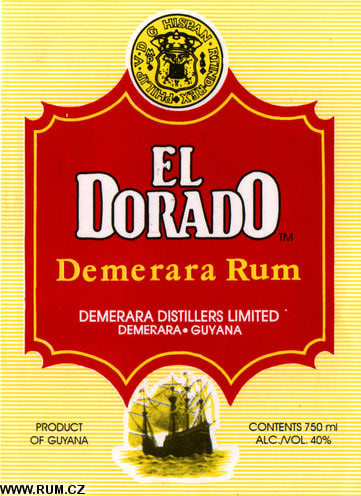
gy6: El Dorado Demerara Rum; Demerara Distillers Limited, Demerara, Guyana; Product of Guyana; Contents 750 ml., Alc/vol 40%
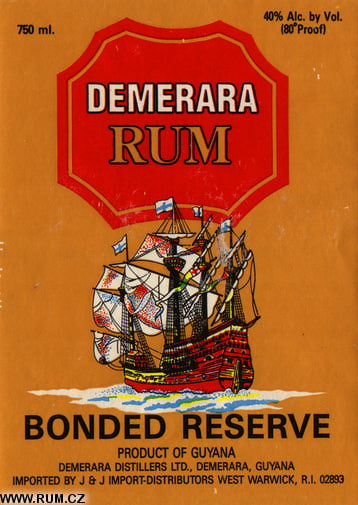
gy1: 750 ml., 40% Alc. by Vol. (80 Proof); Demerara Rum; Bonded Reserve; Product of Guyana; Demerara Distillers Ltd., Demerara, Guyana; Imported by J & J Import-Distributors West Warwick, R.I. 02893
gy16: 43% alc/vol; 75°; Albion Reserve; 759 ml; Demerara Rum; Blended and Bottled by Demerara Distilleries Limited, Georgetown, Demerara, Guyana
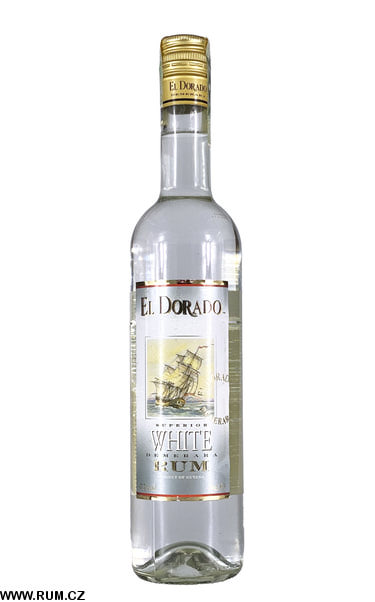
gy3: Superior white rum El Dorado; Blended and bottled by Demerara Distillers Ltd; 43% vol.; 75 cl.; 5014396001027
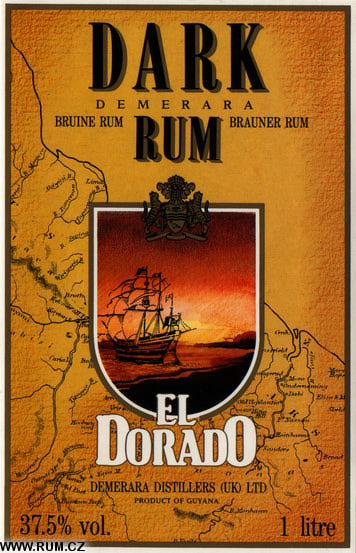
gy13: Dark Demerara Rum; Bruine rum; Brauner rum; El Dorado; Demerara Distillers (UK) Ltd; product of Guyana; 37.5% vol.; 1 litre
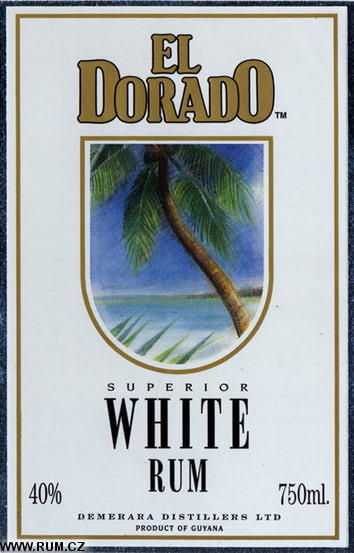
gy21: El Dorado; Superior White Rum; 40%; 750 ml.; Demerara Distillers Ltd. Product of Guyana; 5014396001201
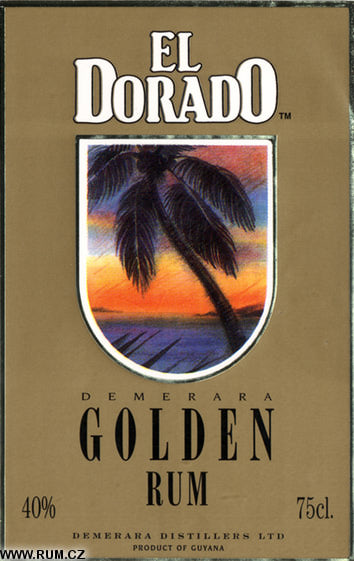
gy20: El Dorado; Demerara Golden Rum; 40%; 75 cl; Demerara Distillers Ltd.; Product of Guyana; 5014396001089
gy19: El Dorado - Demerara Dark Rum; 40%; 75 cl.; Demerara Distillers Ltd.; Product of Guyana
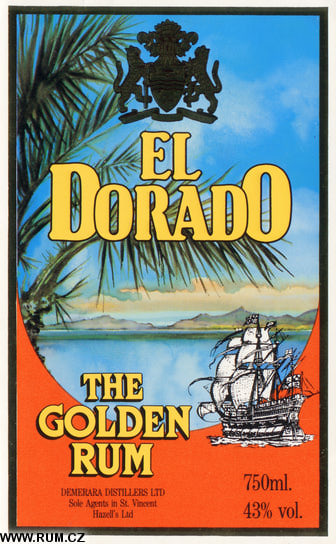
gy4: El Dorado - the Golden Rum; Demerara Distillers Ltd.; Sole Agents in St. Vincent, Hazell' Ltd.; 750 ml.; 43% vol.
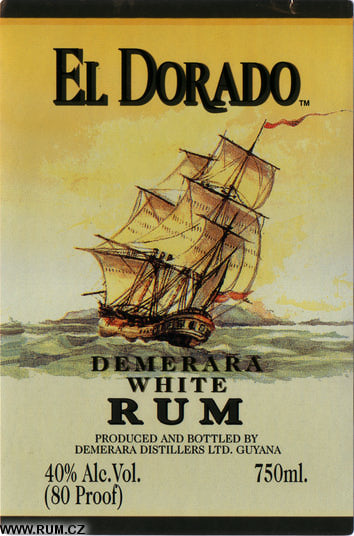
gy31: El Dorado; Demerara White Rum; Demerara Distillers Ltd, Guyana; Produced and bottled by Demerara Distillers Ltd., Guyana; 40% alc vol (80 Proof); 750 ml
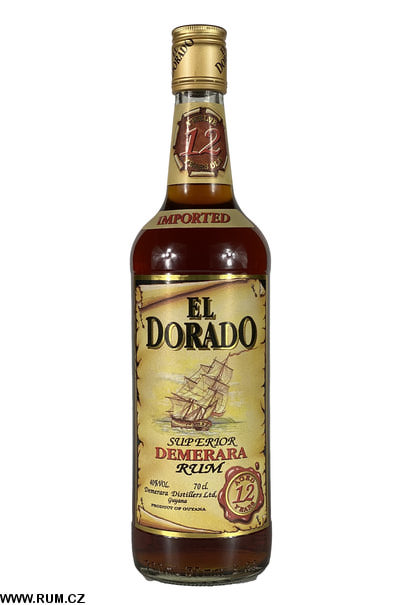
gy12: El Dorado; Superior Demerara Rum; 40% alc; 70 cl; Demerara Distillers Ltd, Guyana; Agged 12 Years; Product of Guyana
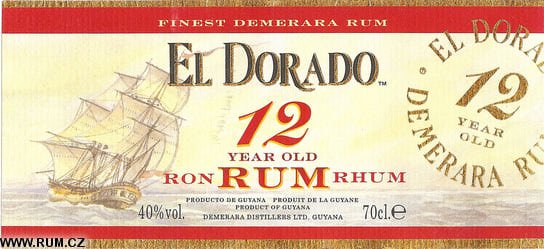
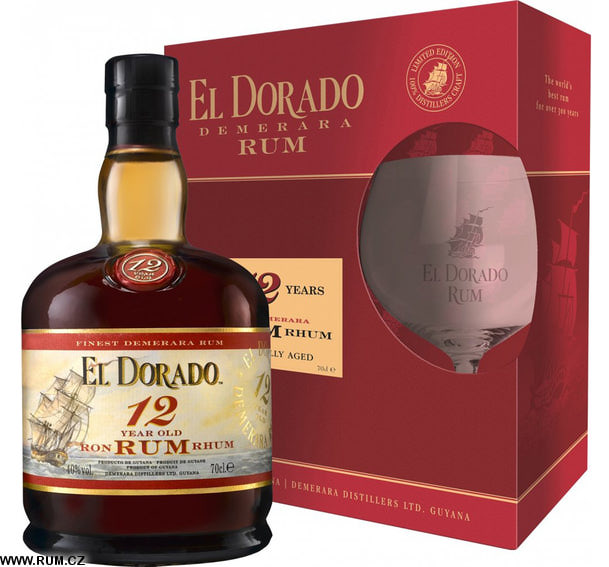
gy54: Finest Demerara Rum; El Dorado; 12 year old; Ron - rum - rhum; Producto de Guyana; Produit de la Guyane; Product of Guyana; Demerara Distillers Ltd., Guyana; 40%; 70 cl e; El Dorado Demerara Rum; 12 Years Old; 8715151120799
gy69: El Dorado; Aged 15 year; Demerara Distillers Limited, Guyana; Richly crafted rums for over 300 years; Finest Demerara Ron Rum Rhum; 70 cl e; Vieilli pendant 15 ans; 43% vol; Demerara Distillers Limited, Guyana; Producto de Guyana; Product of Guyana; Produit de Guyane; 8715151150734
gy_43: Finest Demerara Rum; El Dorado; 12 year old; Ron - rum - rhum; Producto de Guyana; Produit de la Guyane; Product of Guyana; Demerara Distillers Ltd., Guyana; 40%; 70 cl e; El Dorado Demerara Rum; 12 Years Old; 8715151128443
gy_5: Special reserve 25 years old; 43%; 5014396212034?
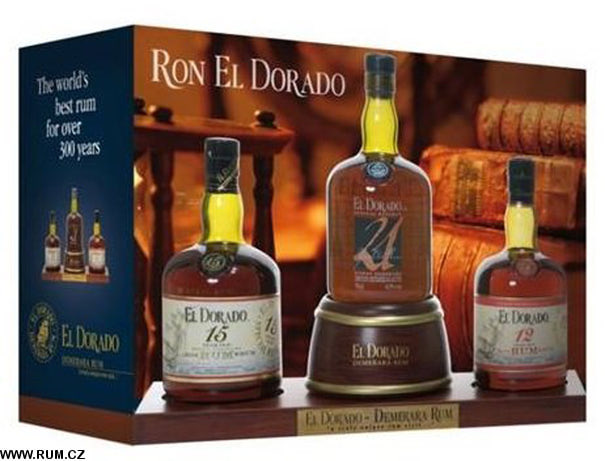
gy_42: El Dorado Display 12, 15, 21; 8715151260730
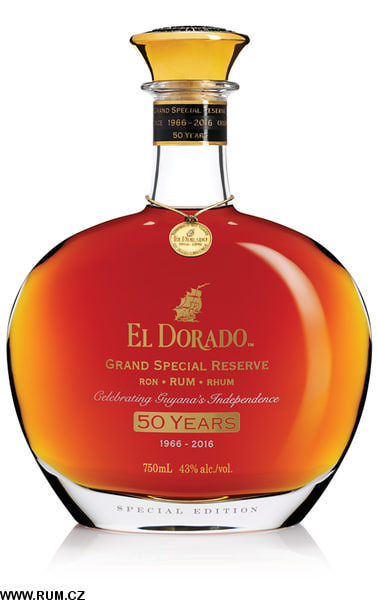
gy_61: El Dorado; Grand Special Reserve; Ron; Rum; Rhum; Celebrating Guyana's Independence; 50 Years; 1966 - 2016; 750 ml; 43 alc/vol; 8715151507514
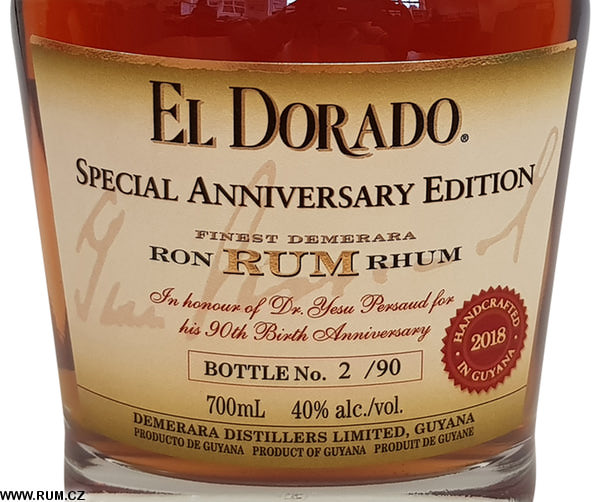
gy_62: El Dorado; Special Anniversary Edition; Finest Demerara; Ron - Rum - Rhum; In honour of Dr. Dr. Yesu Persaud, for his 90th Birth Anniversary; Handcrafted 2018 in Guyana; Bottle No 2/90; 700 ml; 40% alc/vol; Demerara Distillers Limited, Guyana; Producto de Guyana; Product of Guyana; Produit de Guyane
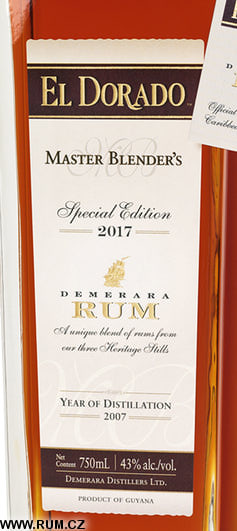
gy_63: El Dorado; MB; Master Blender's Special Edition; 2017; Demerara Rum; A unique blend of rums from our three Heritage Stills; Year of Distillation 2007; Net Content 750 ml; 43% alc/vol; Demerara Distillers Ltd; Product of Guyana
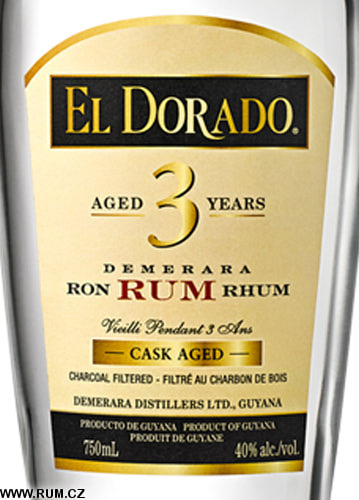
gy_19: El Dorado; Estate Aged 3 Years; Demerara Rum
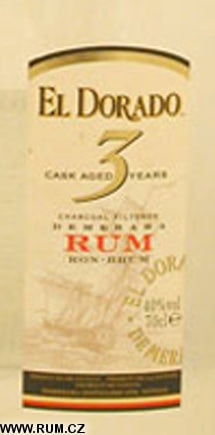
gy_55: El Dorado; Aged 3 Years; Demerara; Ron - Rum - Rhum; Vieilli Pendant 3 ans; Cask Aged; Charcoal Filtered; Filtré au charbon de bois; Demerara Distillers Ltd, Guyana; Producto de Guyana; Product of Guyana; Produit de Guyane; 750 ml; 40% alc/vol
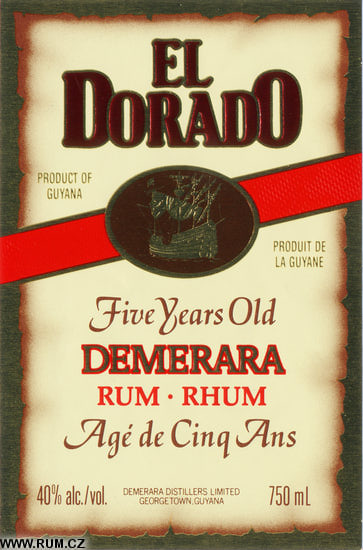
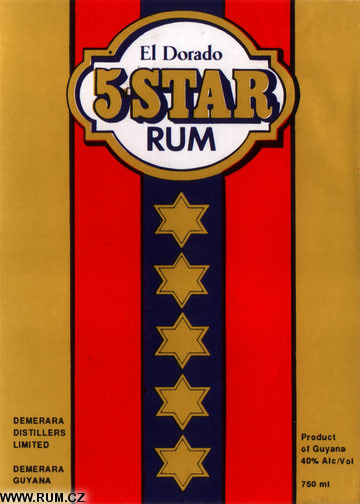
gy36: El Dorado 5 Star Rum; Demerara Distillers Limited, Demerara, Guyana; Product of Guyana; 40% alc vol; 750 ml
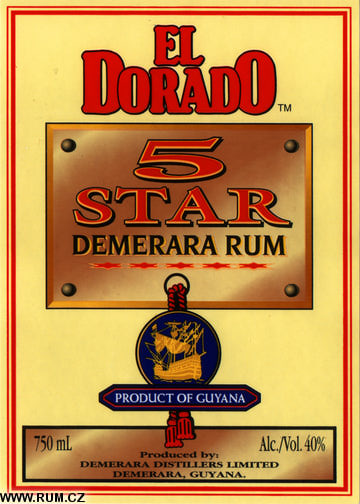
gy37: El Dorado 5 Star Demerara Rum; Product of Guyana; Produced by: Demerara Distillers Limited, Demerara, Guyana; 750 ml; 40% alc vol
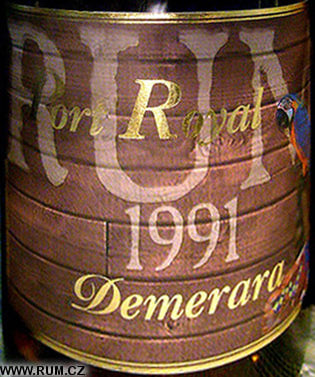
gy_25: Port Royal; 92 proof; Selected and bottled for Sarzi Amadé , Milano, Italy
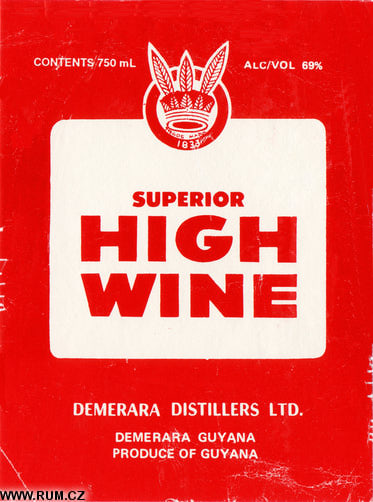
gy8: Contents 750 ml; Alc/vol 69%; Trade mark 1833; Superior High Wine; Demerara Distillers Ltd.; Demerara Guyana; Product of Guyana
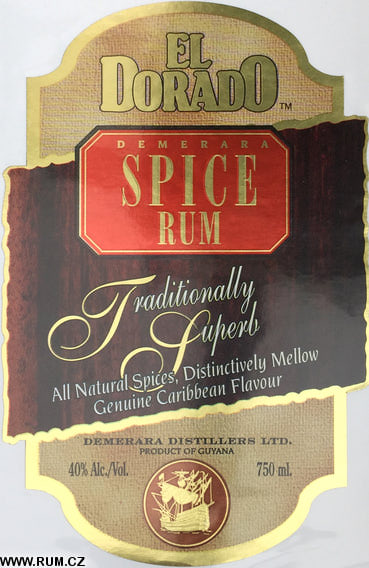
gy40: El Dorado Demerara Spice Rum; Traditionally Superb; All Natural Spices, Distinctively Mellow, Genuine Caribbean Flavour; Demerara Distillers Ltd.; Product of Guyana; 40% alc/vol;750 ml; 5014396000112
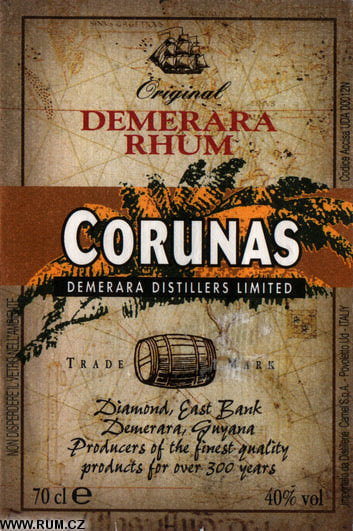
gy25: Original Demerara Rhum; Corunas; Demerara Distillers Limited; Diamond East Bank, Demerara, Guyana; Producers of the finest quality products for over 300 years; 70 cl e; 40% vol; Importado da Distillerie Camel S.p.A. - povoletto Ud - ItalyCodice Accisa UDA 000 12N; Non disperdere il vetro nell ambiente; 5014396111696
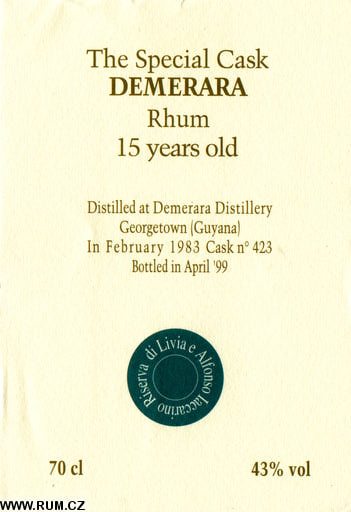
gy26: The Special Cask Demerara Rhum; 15 years old; Distilled at Demerara Distillery, Georgetown (Guyana) In February 1983 Cask no 423; Bottled in April '99; Riserva di Livia e Alfonso Iaccarino; 70 cl; 43% vol
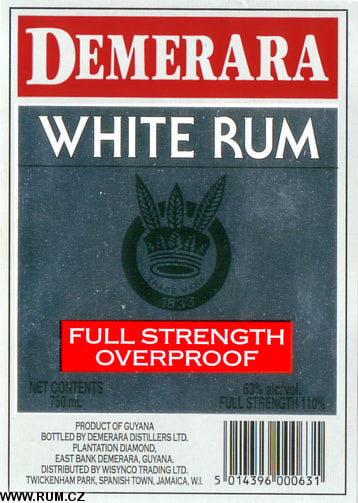
gy42: Demerara White Rum; Full Strength Overproof; Net Contents 750 ml; 63% alc/vol, Full Strength 110% Product of Guyana; Bottled by Demerara Distillers Ltd., Plantation Diamond, East Bank Demerara, Guyana; Distributed by Wisynco Trading Ltd., Twickenham Park, Spanish Town, Jamaica, W.I.
gy43: D'Andrade's Estate; Ron Blanco - White Rum; 1 Litre; 40% alc/vol; Produced by Demerara Distillers Ltd, Diamond East Bank Demerara, Guyana; Producers of the Finest Quality Products for over 300 years
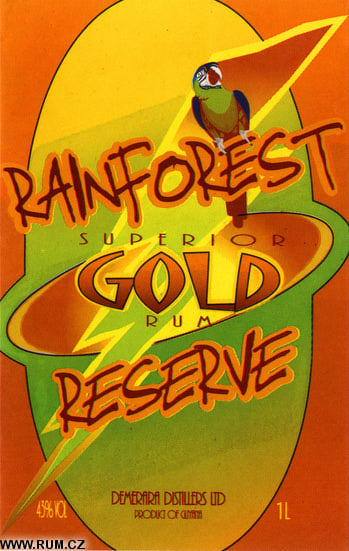
gy30: Rainforest Superior Gold Rum Reserve; 43% alc/vol; Demerara Distillers Ltd; Product of Guyana; 1 L
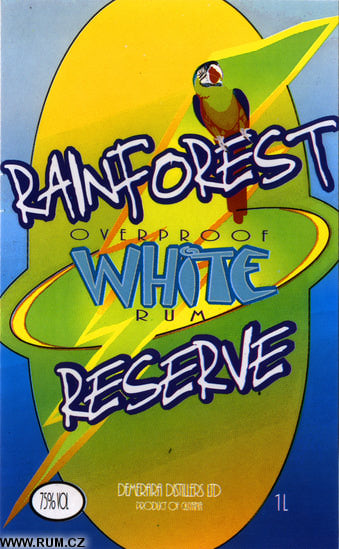
gy29: Rainforest Overproof White Rum Reserve; 75% alc/vol; Demerara Distillers Ltd; Product of Guyana; 1 L
gy_32: Port Mourant 1993; Full Proof; Old Demerara Rum; 65% vol
gy_29: Port Mourant 1972; Full Proof; Old Demerara Rum; 47.8% vol
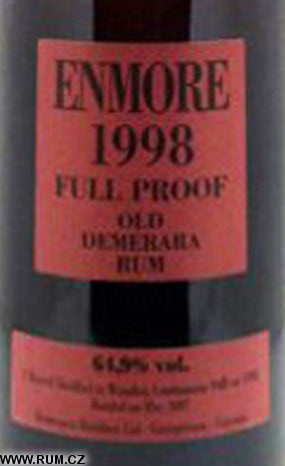
gy_7: Enmore 1998, Full Proof Old Demerara Rum; 64,9%; Demerara Distillers Ltd, Guyana
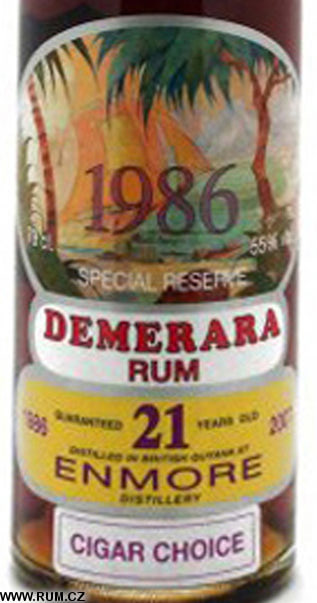
gy_8: 1996; Demerara Rum Special Reserve Enmore; 21 years old; Enmore Distillery; Cigar Choise
gy_9: Diamond 1982; Demerara Rum
gy_10: Enmore Full Proof Demerara Rum 1987
gy_34: Blairmont 1991; Full Proof; Old Demerara Rum; 56% vol
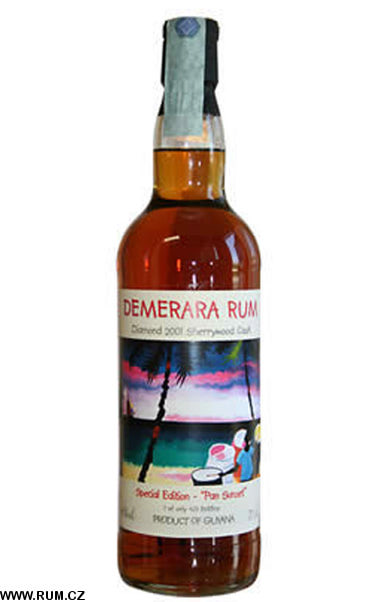
gy_35: Demerara Rum; Diamond 2001 Sherrywood; Product of Guyana; 46% vol
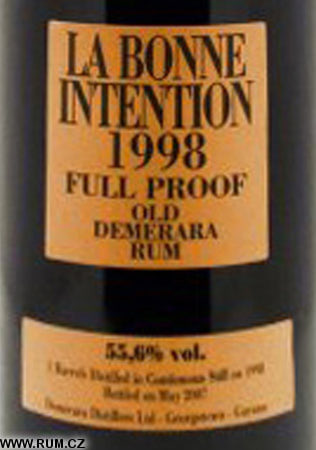
gy_11: La Bonne Intention 1998 Full Proof Old Demerara Rum; 55%
gy_15: Hallmark Jamaican Rum; 17 Years Old; 46%
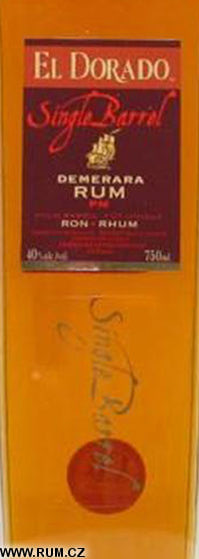
gy_20: El Dorado Single Barrel; Port Mourant; Demerara Rum, Ron, Rhum; 40% alc/vol; 750 ml
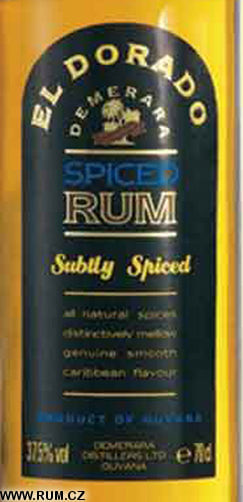
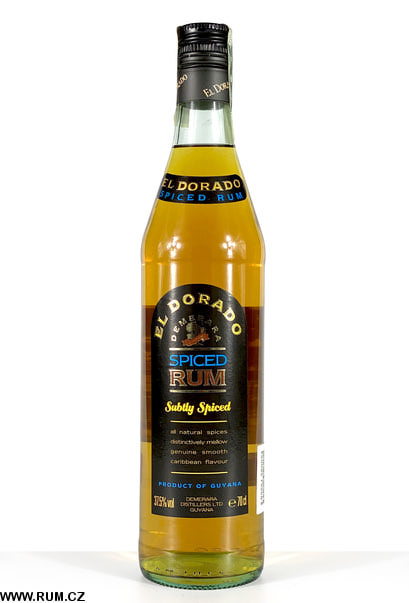
gy_3: El Dorado Demerara Spiced Rum; Subtly Spiced; 37% alc/vol; 75 cl
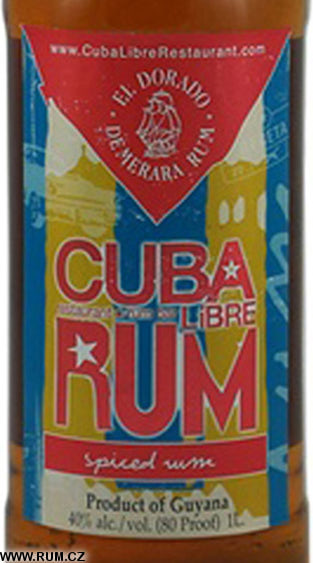
gy_39: www.cubalibrerestaurant.com; El Dorado Demerara Rum; Cuba Libre Rum; Spiced Rum; Product of Guyana; 40% alc/vol (80 Proof); 1 L
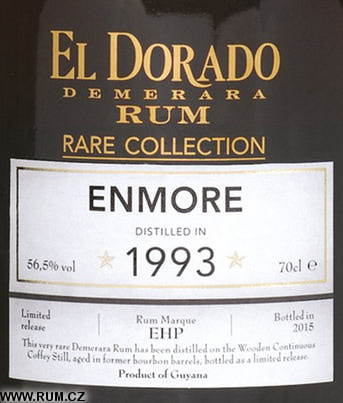
gy_48: Est. 1670; El Dorado Demerara Rum Rare Collection; Enmore; Distilled in 1993; 56.5% vol; 70 cl e; Limited release; Rum Marque EHP; Bottled 2015; This very rare Demerara Rum has been distilled on the Wooden Continuous Coffey Still, aged in former bourbon barrels, bottled as a limited release; Product of Guyana
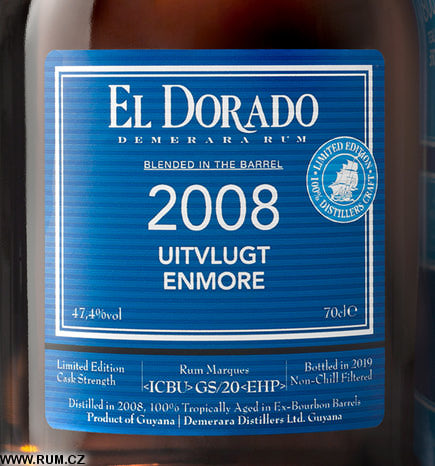
gy_51: El Dorado Demerara Rum; Blended in the barrel; 2008; Uitvlugt; Enmore; 47.4% vol; 70 cl e; Limited Edition; 100% Distillers Craft; Limited Edition; Cask Strength; Rum Marques: ICBU - GS/20 - EHP; Bottled in 2019; Non-Chill Filtered; Distilled in 2008, 100% Tropically Aged in Ex-Bourbon Barrels; Product of Guyana; Demerara Distillers Ltd. Guyana; 8715151700717
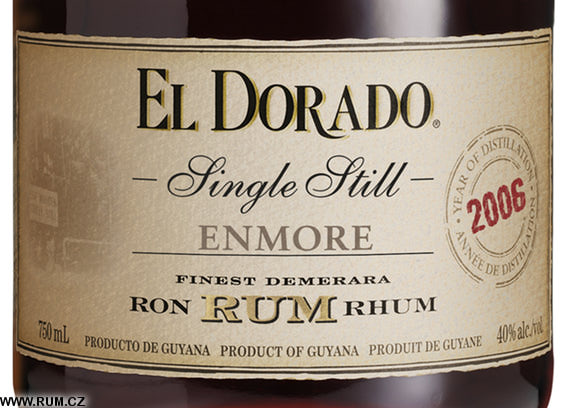
gy_58: El Dorado; Single Still; Enmore; Year of distillation 2006; Année de distillation; Finest Demerara; Ron, Rum, Rhum; 750 ml; Producto de Guyana; Product of Guyana; Produit de Guyane; 40% alc/vol
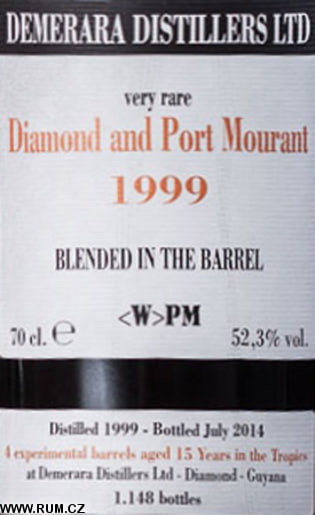
gy_81: Demerara Distillers Ltd; Very rare Diamond and Port Mourant 1999; Blended in the barrel;
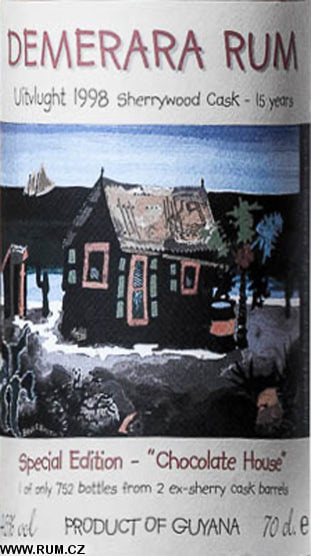
gy_82: Demerara Rum; Uitvlught (Uitvlugt) 1998 Sherrywood Cask - 15 Years; Special Edition - Chocolate House; 1 of only 752 bottles from 2 ex-sherry cask barrels; Product of Guyana; 70 cl e
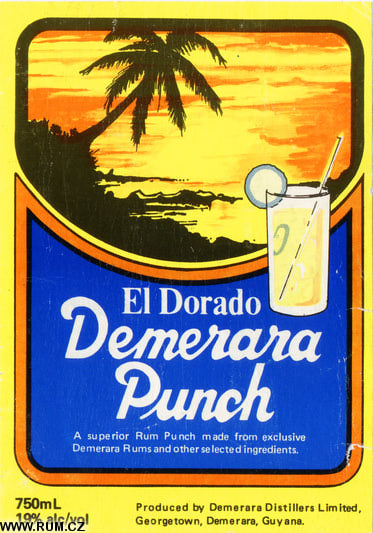
gy10: El Dorado Demerara punch; A superior Rum Punch made from exclusive Demerara Rums and selected ingredients.; Produced by Demerara Distillers Ltd., Georgetown, Demerara, Guyana
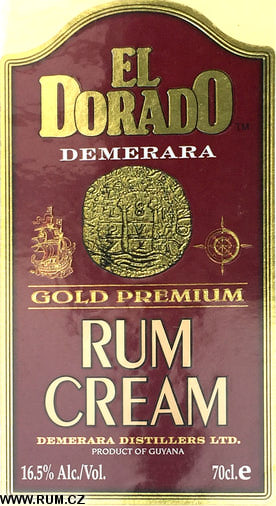
gy38: El Dorado demerara Gold Premium Rum Cream; Demerara Distillers Ltd; Product of Guyana; 16.5% alc/vol; 70 cl e; 5014396001027
gy_4: Blended with Demerara 5 year old Rum; El Dorado; Cream Liqueur with Golden Rum; 16.5% vol; 70 cl; Produce of Guyana
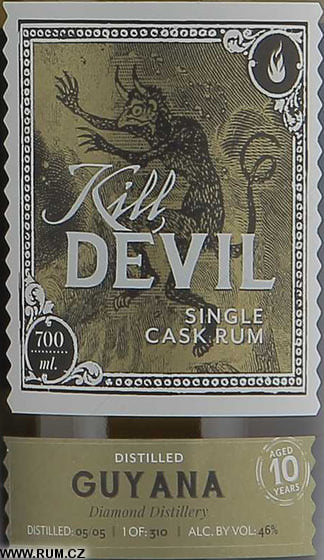
uk_299: Kill Devil; Single Cask Rum; 700 ml; Distilled Guyana Diamond Distillery; Aged 10 years; Distilled: 05/05; 1 of 310; Alc by Vol: 46%
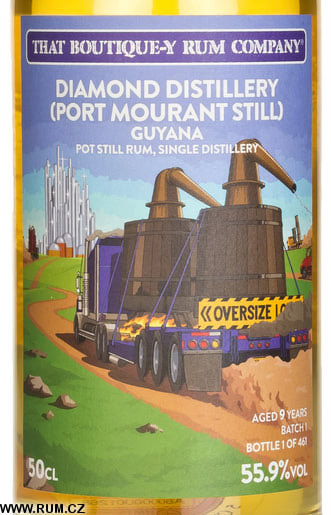
uk_325: That Boutique-y Rum Company; Diamond Distillery (Port Mourant Still), Guyana; Pot Still Rum, single distillery; Aged 9 Years; Batch 1; Bottle 1 of 461; 50 cl; 55.9% vol; 5052598148317
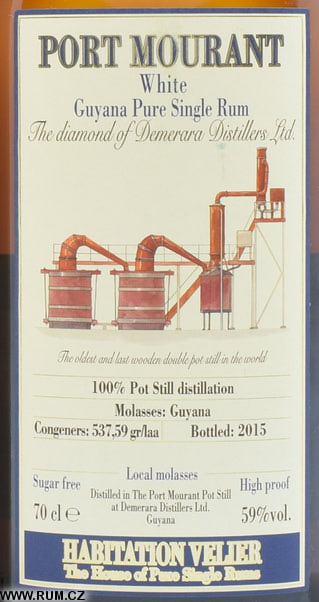
it_223: Port Mourant; White; Guyana Pure Single Rum; The diamond of Demerara Distillers Ltd; The oldest and last wooden double pot still in the world; 100% Pot Still distillation; Molasses: Guyana; Congeners: 537.59 gr/lpa; Bottled: 2015; Local molasses; Sugar free; High proof; 70 cl e; Distilled in The Port Mourant Pot Still at Demerara Distillers Ltd., Guyana; 59% vol; Habitation Velier; The House of Pure Single Rums
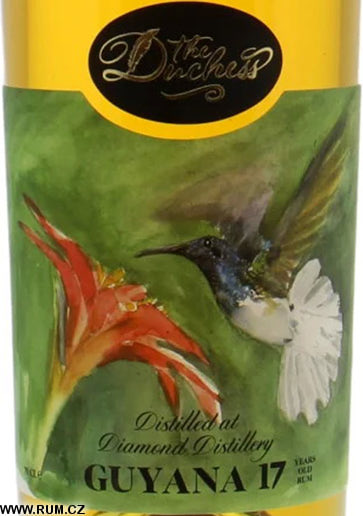
nl_42: The Duchess; Distilled at Diamond Distillery; Guyana; 17 years old rum; 70 cl e
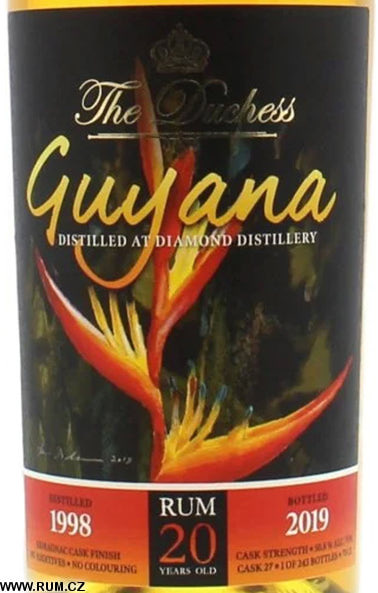
nl_51: The Duchess; Rum Guyana; Distilled at Diamond Distillery; Distilled 1998; No Additives; No Coloring; Rum 20 Years Old; Bottled 2019; Cask Strench; 50.8% alc vol; Cask 27; 70 cl
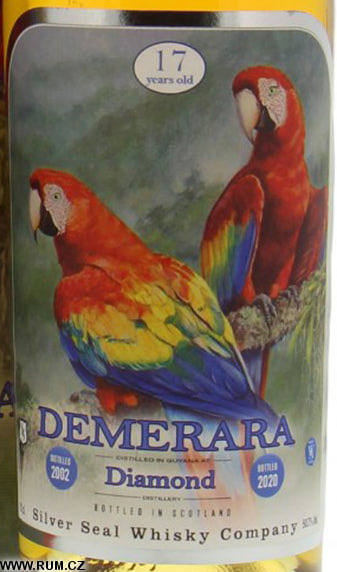
uk_361: 17 Years Old; Demerara; Distilled 2002; Haiti; Bottled 2020; Bottled in Scotland; 70 cl; Silver Seal Whiosky Company; 50.7% vol
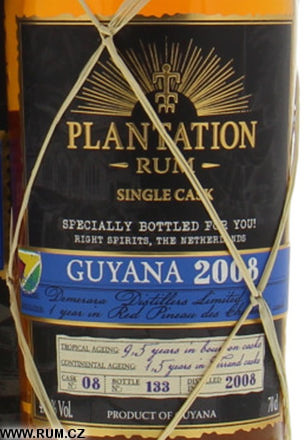
fr_1420: Plantation Rum; Single Cask; Specially Bottled for You! Right Spirits, The Netherlands; Guyana 2008; Demerara Distillers Limited; Tropical Aging: 9.5 years; Continental Aging: 1.5 years; Distilled: 2008; 47.6% vol; Product of Guyana; 70 cl
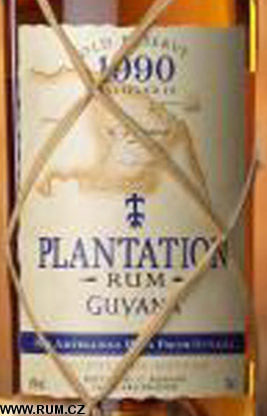
fr_254: Old Reserve 1990 distilled in Guyana; Plantation Rum Guyana; UITVLUCHT Distillery, Westcoast Demerara
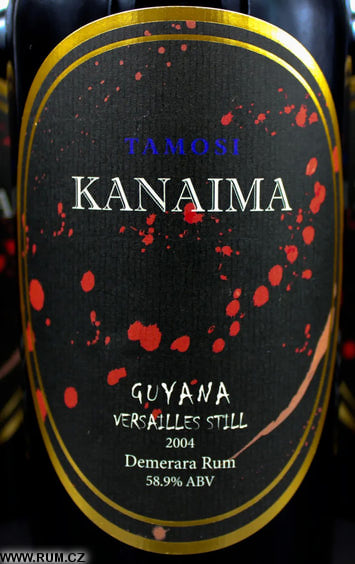
nl_54: Tamosi; Kanaima; Guyana Versailles Still; 2006; Demerara Rum; 58.9% abv
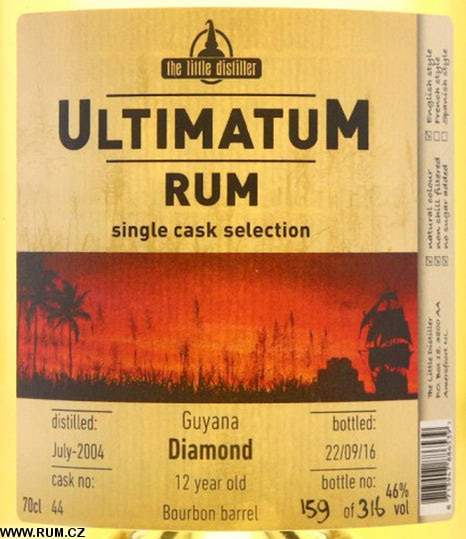
nl_70: The little distiller; Ultimatum Rum; Single cask selection; Distilled: July-2004; Bourbon barrel; Cask no: 44; 70 cl; Guyana; Diamond; 12 years old; Bottled: 22/09/16; Bottle no: 159 of 316; 46% vol
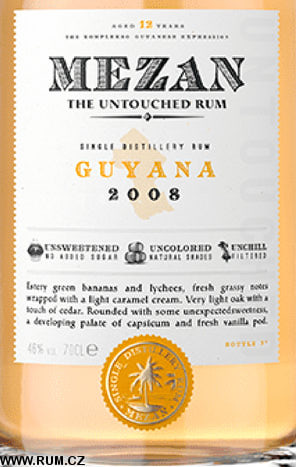
uk_364: Aged 12 years; Mezan, The Untouched Rum; Guyana 2008; Unsweeted; Uncolored; Unchill; 40% Alc/Vol; 70 cl e
fr_1426: Excellence Rhum; Guyana; Port Mourant; Cask strength; MPM; 2008-2018
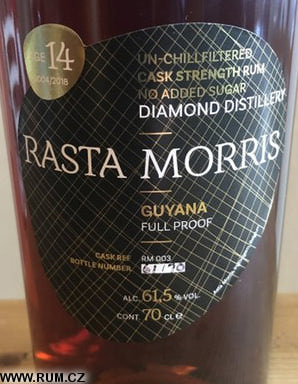
be_109: Age 14; 2004/2018; Un-Chillfiltered, Cask Strength Rum, No Added Sugar; Diamond Distillery; Rasta Morris; Guyana; Full Proof; Cask Ref: RM 003; Bottle number: 61/70; Alc 61.5% vol; Cont. 70 cl e; Asta Morris, Ingooigem, Belgium
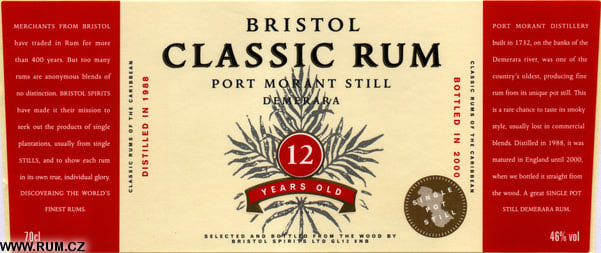
uk182: Bristol Classic Rum Port Morant Still, Demerara; Classic rums of the Caribbean; Distilled in 1988; Bottled in 2000; 12 years old; Produce of Guyana; 70 cl; Selected and bottled from the wood by Bristol Spirits Ltd, GL12 8NB; Single pot Still; 46% vol; Merchants from Bristol have traded in Rum for more than 400 years. But too many rums are anonymous blends of no distinction. Bristol Spirits have made it their mission to seek out the products of single plantations, usually from single stills, and to show each rum in its own true, individual glory. Discovering the world's finest rums. Port Morant Distillery built in 1732, on the banks of the Demerara river, was one of the country's oldest, producing fine rum from its unique pot still. This is a rare chance to taste its smoky style, usually lost in commercial blends. Distilled in 1988, it was matured in England until 2000, when we bottled it straight from the wood. A great single pot still Demerara rum.
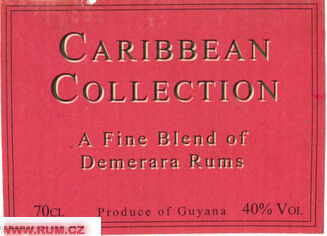
uk480: Caribbean Collection; A Fine Blend of Demerara Rums; 70 cl; Produce of Guyana; 40% vol; Bristol Classic Rum
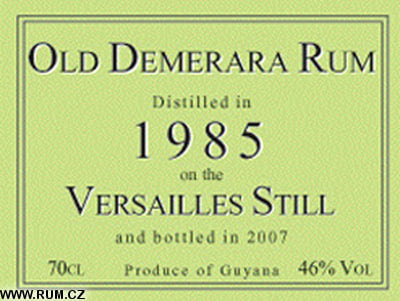
uk_168: Old Demerara Rum; Distilled in 1985 at the Versatilles Still and bottled in 2007; 70 cl; Produce of Guyana; 46% vol; Bristol Classic Rum
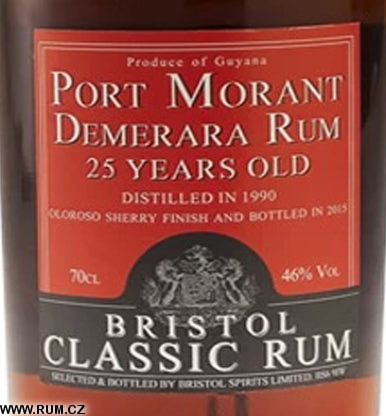
uk_369: Produce of Guyana; Port Morant Demerara Rum 25 Years Old; Distilled in 1990; Oloroso Sherry finish and bottled in 2015; 70 cl; 46% Vol; Bristol Classic Rum; Selected an bottled by Bristol Spirits Limited, GL12 8NB
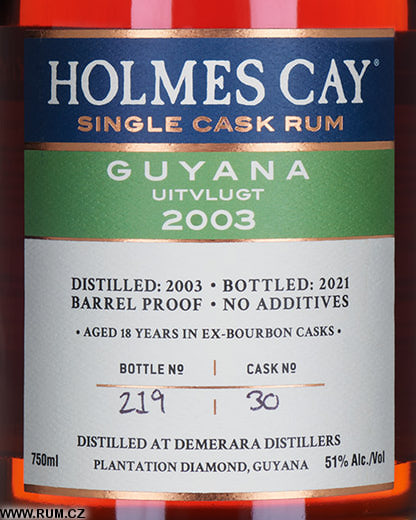
us_761: Holmes Cay; Single Cask Rum; Guyana Uitvlugt 2003; Distilled: 2003 - Bottled: 2021; Cask Strength; No additives; Aged 18 Years in ex-bourbon casks; Bottle No 219, Cask No 30; Distilled at Demerara Distillers, Plantation Diamond, Guyana; 750 ml; 51% alc/vol
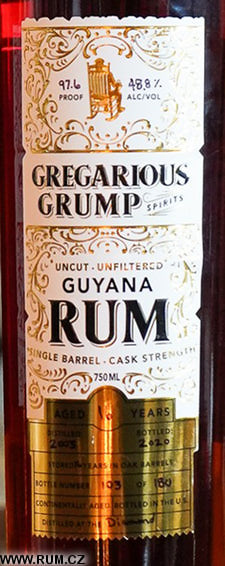
us_767: 97.6 Proof; 48.8% Alc/Vol; Gregarious Grump Spirits; Uncut; Unfiltered; Guyana Rum; Single Barrel; Cask Strength; 750 ml; Aged 16 Years; Distilled: 2005; Bottled: 2020; Stored 16 Years in oak barrels; Bottle number 103 of 180; Continentally aged; Bottled in the U.S.; Distilled at the Diamond
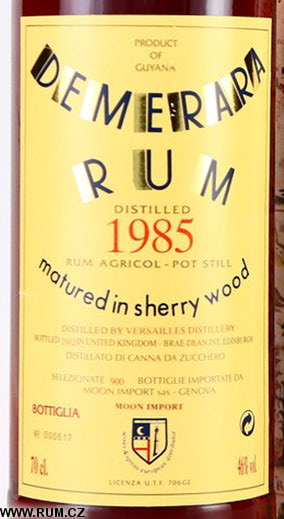
it_62: Product of Guyana; Demerara rum; Distilled 1985; Rum agricolo, pot still, Distilled by Versailles Distillery; Bottled 2002 in United Kingdom; Brae Dean Int, Edingurgh; Distillato di canna da zucchero; Selezionate 900 bottiglie importate da Moon Import sas, Genova; Moon Import; 70 cl; Port Morrant Distillery.
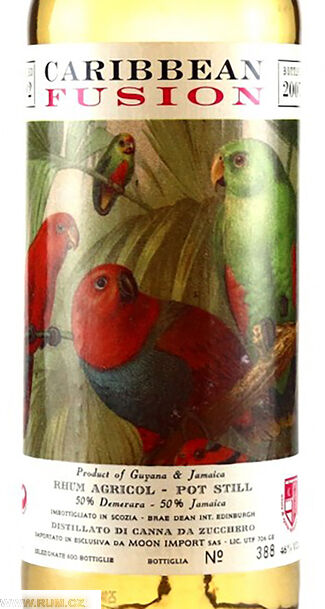
it_59: Caribbean Fusion; 1992; Rum agricolo, pot still, 50% Demerara and 50% Jamaica.
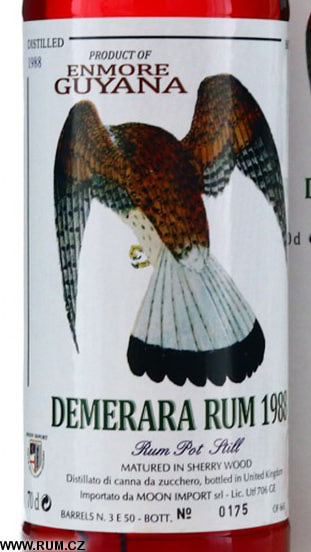
it_243: Distilled 1988; Product of Enmore Guyana; Demerara Rum 1988; Rum Pot Still; Matured in Sherry Wood; Distillato di canna dy zucchero, bottled in United Kingdom; Importato da Moon Import srl; 70 cl;
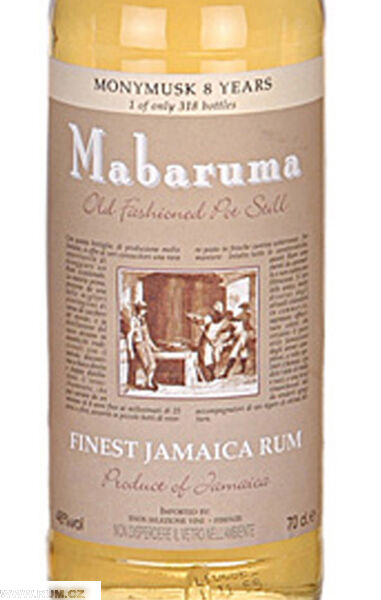
it_85: Monymusk 8 Years; Mabaruma; Old Fashioned Pot Still; Finest Jamaica Rum; Produce of Jamaica; 1 of only 318 bottles; 70 cl e
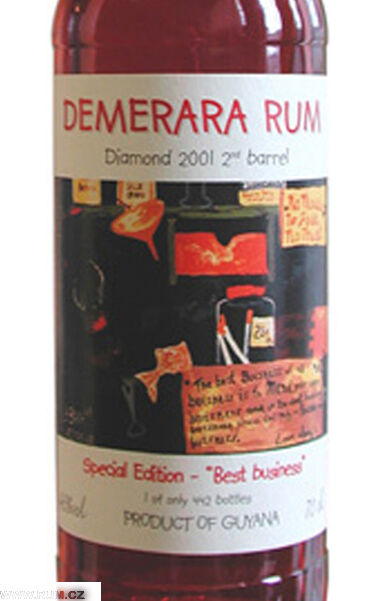
it_87: Rum Demerara; Diamond 2001 2nd Barrel; Special Edition - Best Bussiness; 1 of only 442 bottles; Product of Guyana; 70 cl e
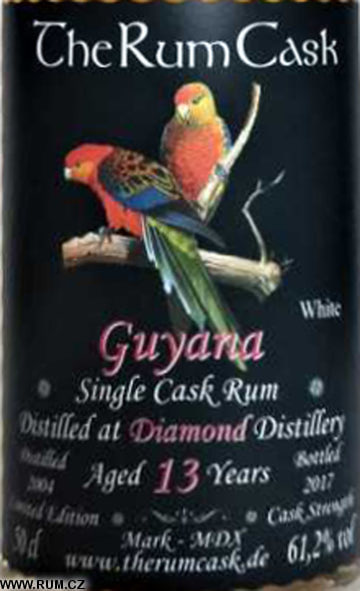
de_358: The Rum Cask; Guyana; Single Cask Rum; Distilled at Diamond Destillerie; Distilled: 2004; Aged 13 Years; Bottled: 2017; Limited Edition; Mark MDX; Cask Strength; 50 cl; www.therumcask.de; 61.2% vol
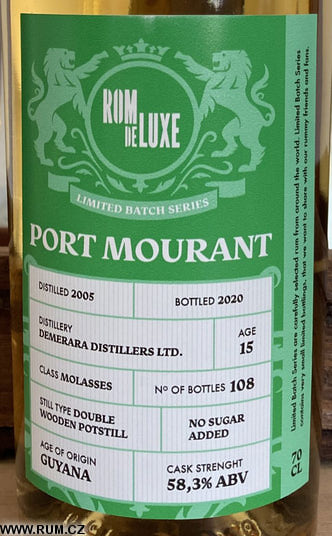
dk_66: Ron de Luxe; Limited Batch Series; Port Mourant; Distilled 2005; Bottled 2020; Distillery Demerara Distillers Ltd.; Age 15; Class Molasses; No of Bottles 108; Still type Double Wooden Potstill; No Sugar Added; Age of origin Guyana; Cask strenght 58.3% ABV; 70 cl; Limited Batch Series are carefully selected rum from around the world; Limited Batch Series contains very small limited bottlings, that we want to share with our rummy friends and fans
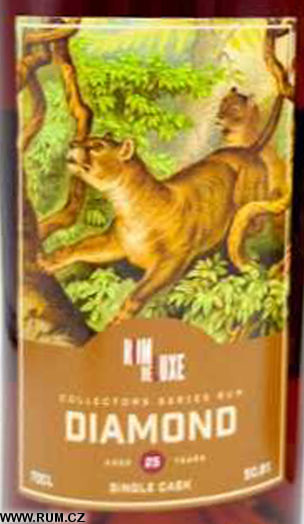
dk_55: Ron de Luxe; Collector Series Rum 2; Diamond; Aged 23 Years; 70 cl; Single Cask; 49,2% Batch 1; 50.8% Batch 2 alc/vol
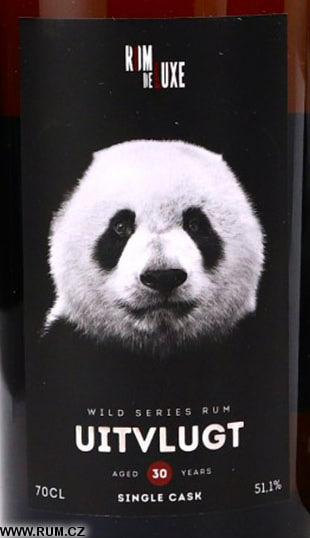
dk_67: Ron de Luxe; Wild Series Rum; Uitvlugt; Aged 30 Years; 70 cl; Single Cask; 51.1%
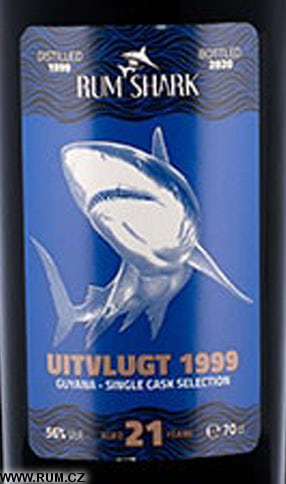
cz_348: Distilled 1999; Bottled: 2020; Rum Shark; Uitvlugt 1999; Guyana; Single Cask Selection; 56% vol; 21; e 70 cl
uk_206: Duncan Taylor Single Cask Rum; Distilled in: Guyana; At: Enmore Distillery; Distilled: 09.85, Bottled: 11.12; Cask No: 64; Style: Pot; One of 260 bottles; Distilled in 1985; Aged 27 years; 52.5% alc/vol; 700 ml; Aged in oak caska; No chill filtration, no added colorant; Bottled by Duncan Taylor Ltd, Huntly, Aberdeenshire, AB54 8JU7, Scotland
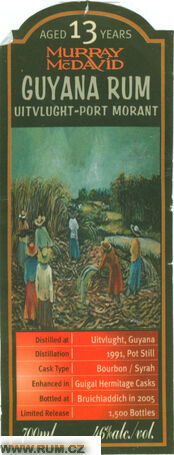
uk474: Aged 13 years; Murray McDavid Guyana Rum; Uitvlught-Port Morant 1991; Destilled at Uitvlught,(Uitvlugt) Guyana; Distillation 1991, Pot Still; Cask type: Bourbon / Syrah; Enhanced in Guigal Hermitage Casks; Bottled at Bruichladdich in 2005; Limited Release 1500 Bottles; 700 ml; 46% alc/vol; 618105703698
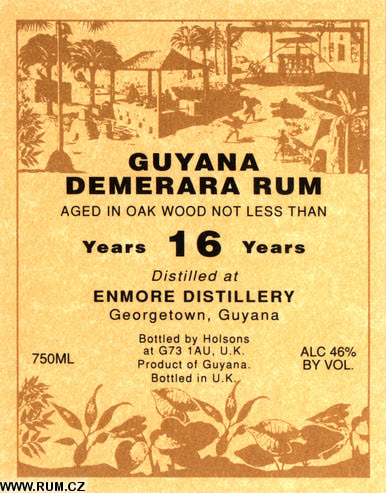
uk66: Guyana Demerara rum aged in oak wood not less then years 16 years; Distilled at Enmore Distillery, Georgetown, Guyana; 750 ML; Bottled by Holsons at G73 1AU, U.K.; Product of Guyana; Bottled in U.K.; Alc 46% by Vol
uk63: Thomson's Estate Mark 1980 Distillation Demerara Rum from Diamond Distillery; 70 cl; 46% vol; Aged in Oak Casks; Produce of Guyana; Bottled in United Kingdom; Thomson & Co., FK17 8JP
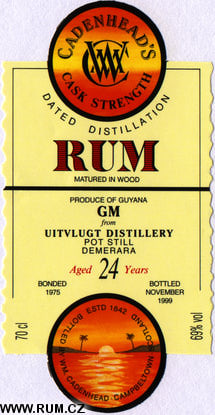
uk136: Cadenhead's Cask Strength; Dated Distillation Rum; Matured in Wood; Produce of Guyana; GM from Uitvlugt Distillery; Pot Still; Demerara; Aged 24 Years; Boned 1975; Bottled November 1999; 70 cl; 69% vol; Estd 1842; Bottled by Wm. Cadenhead, Campbeltown, Scotland
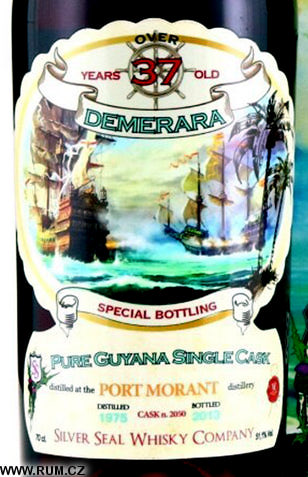
uk_419: Over 37 Years Old; Special Bottling; SS; Pure Guyana Single Cask; Distilled at the Port Morant distillery; Distilled 1975; Casj no. 2050; Bottled 2013; 70 cl; Silver Seal Whisky Company; 51.1% vol
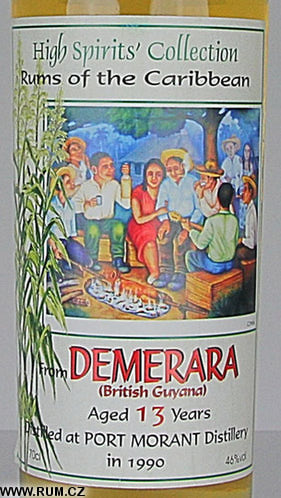
it_399: High Spirits' Collection; Rums of the Caribbean; From Demerara (British Guyana); Aged 13 Years; Distilled at Port Morant Distillery in 1990; 70 cl; 46% vol
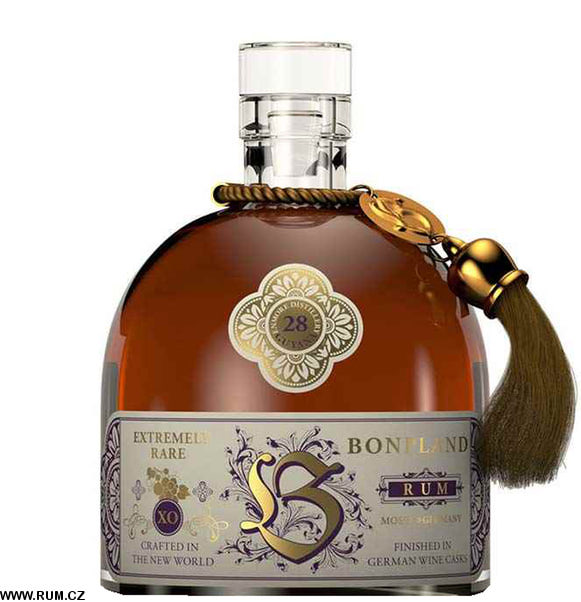
de_318: 28; Enmore Distiller, Guyana 1988; Extremly Rare; Bonpland; XO; Crafted in the New World; Bonpland; Rum; Mosel, Germany; Rum; Mosel, Germany; Finished in German Wine Casks; ... Nova Generis et Species...
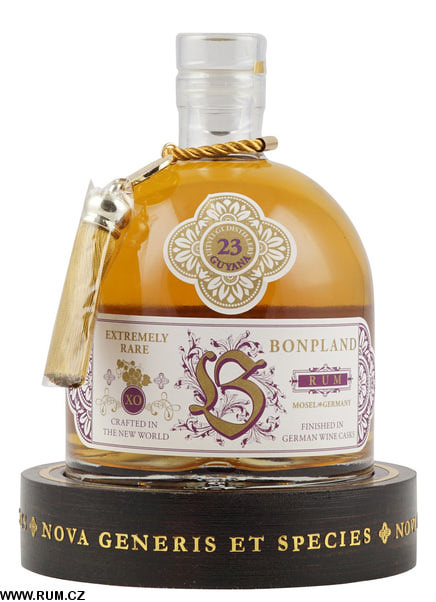
de_321: 23; Uitvlugt Distillery, Guyana 1993; Extremly Rare; Bonpland; XO; Crafted in the New World; Bonpland; Rum; Mosel, Germany; Rum; Mosel, Germany; Finished in German Wine Casks; ... Nova Generis et Species...
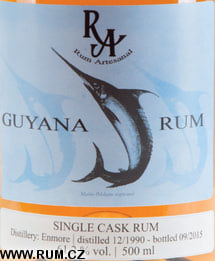
de_338: RA; Rum Artesanal; Guyana Rum; Marlin (Makaira nigricans); Single Cask Rum; Distillery: Enmore; Distilled 12.1990; Bottled 09.2015; 61.2% vol; 500 ml
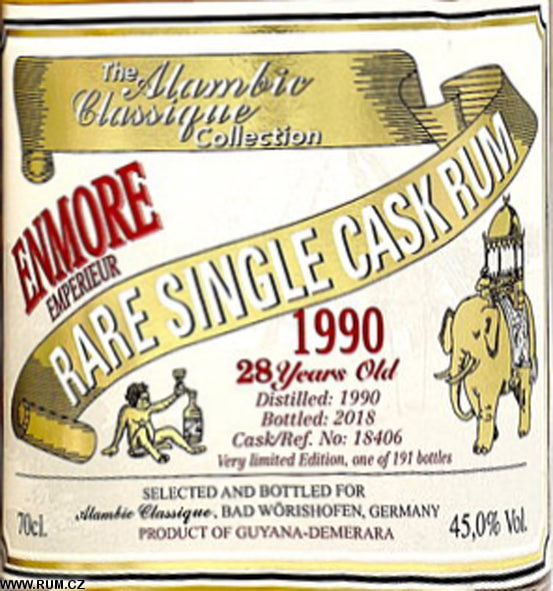
de_349: Alambic Classique Collection; Enmore 1990 Emperieur; Rare Single Cask Rum; 28 Years Old; Distilled: 1990, Bottled: 2018; Cask/Ref: 18406; Very limited edition, one of 191 bottles; Selected and Bottled for Alambic Classique, Bad Wörishofen, Germany; 70 cl; Product of Jamaica; 45% vol
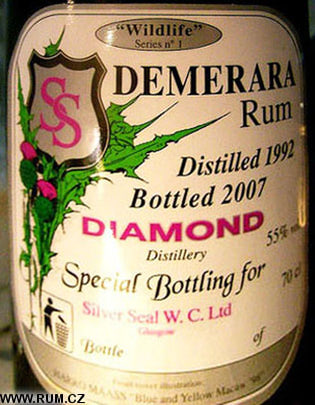
uk_277: Wildlife; series No. 1; SS; Demerara Rum Distilled 1992; Bottled 2007; Diamond distillery; 55% vol; 70 dl; Special Bottling for Silver Seal W.C. Ltd
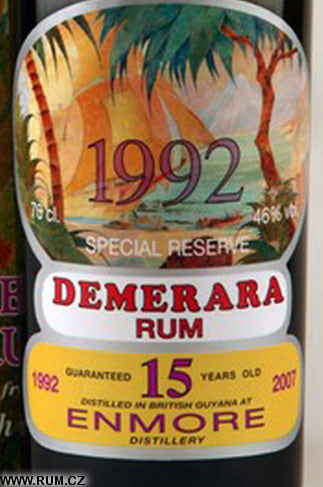
uk_291: 1992; 70 cl; 45% vol; Special Reserve; Demerara Rum; Guaranteed 15 years old; Distilled in British Guyana at Enmore Distillery; 1992 - 2007
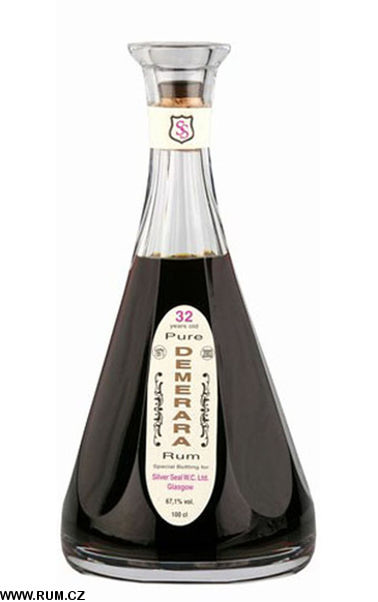
uk_281: 32 years old; Pure Demerara Rum; 100 cl
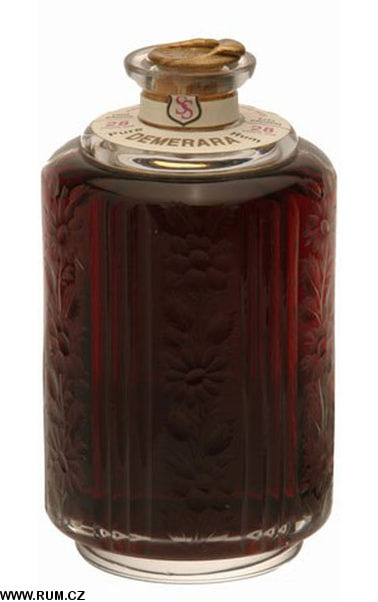
uk_294: 32 years old; Demerara Rum; 100 cl
be_141: Rum Diamond; 25; Jamaica Rum; 70 cl; 46.6% alc/vol
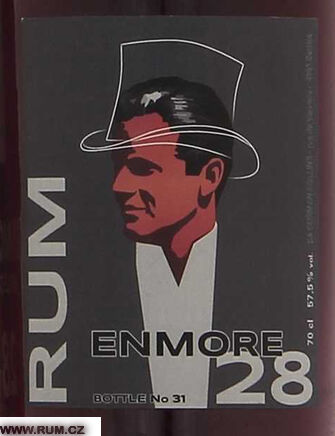
be_157: Rum; Enmore; 28; Bottle No. 31; 70 cl; 57.5% vol.
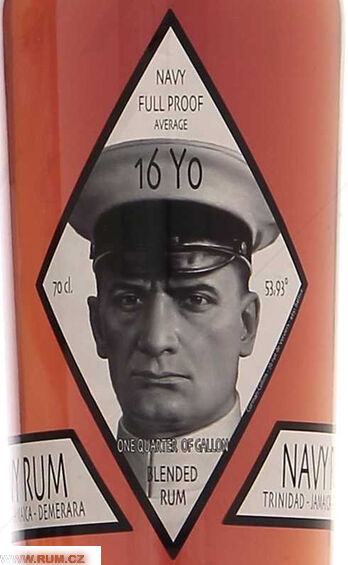
be_140: Navy Full Proof average 16 YO; 70 cl; 53.93°; One Quarter of Gallon; Navy Rum; Jamaica; Demerara; Navy Rum; Trinidad; Jamaica
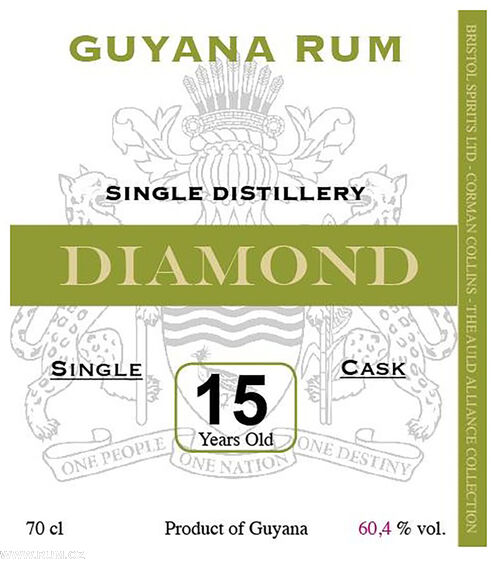
be_168: Guyana Rum; Single Distillery; Diamond; Single Cask; 15 Years Old; One People - One Nation - One Destiny; 70 cl; Product of Guyana; 60.4% vol; Bristol Spirits LTD - Corman Collins - The Auld Alliance Collection
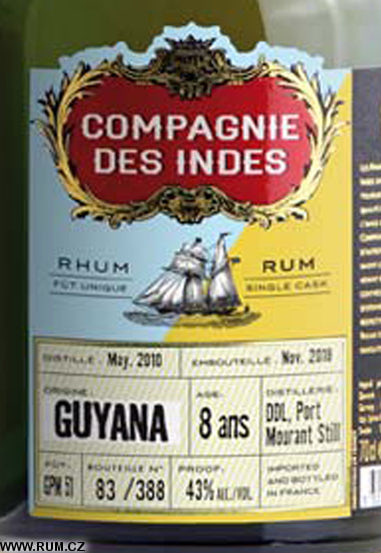
fr_1260: Compagnie des Indes; Rhum fût unique; Rum single cask; Guyana 8 ans; DDL, Port Morant Still; 43% alc/vol
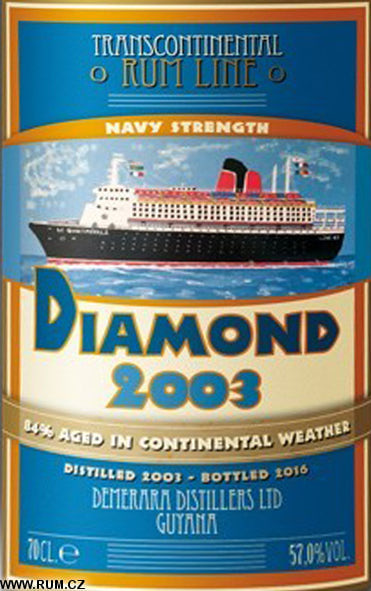
fr_1366: Transcontinental Rum Line; Navy Strength; Diamond 2003; 84% aged in continental weather; Distilled 2003 - Bottled 2016; Demerara Distillers Ltd, Guyana; 70 cl e; 57.0 % vol; 238 bottles
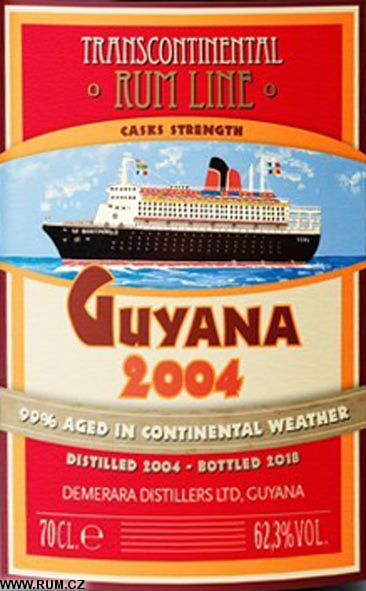
fr_1385: Transcontinental Rum Line; Casks Strength; Guyana 2004; 99% aged in continental weather; Distilled 2004 - Bottled 2018; Demerara Distillers, Guyana; 70 cl e; 62.3% vol
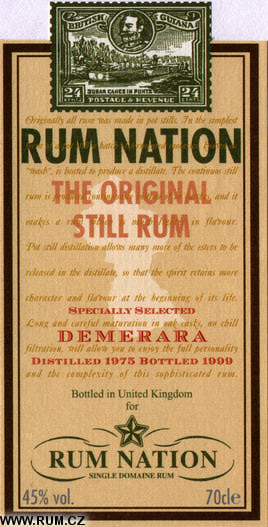
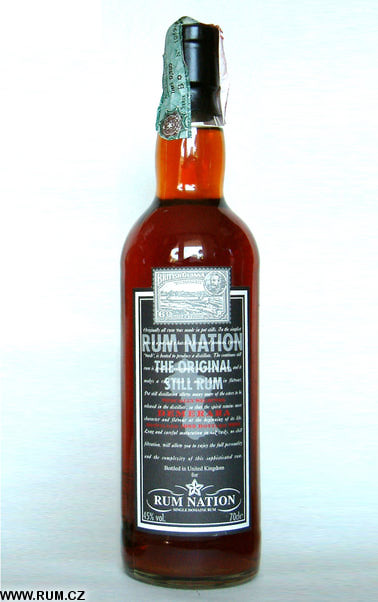
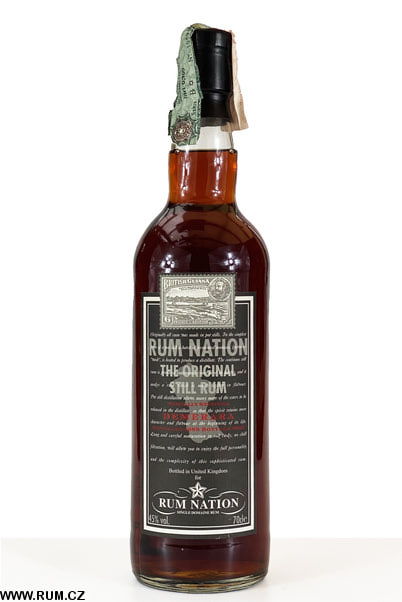
it25: Rum Nation; The original still rum; Specially Selected Demerara; Distilled 1975, Bottled 1999; Bottled in United Kingdom for Rum Nation, Single Domaine Rum; 45% vol; 70 cl e
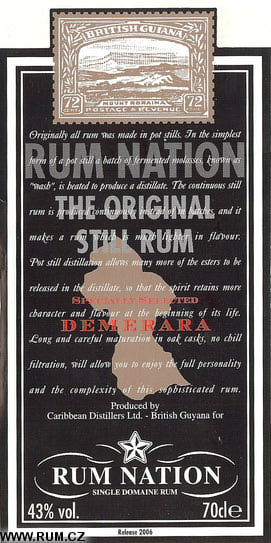
it41: Rum Nation; The original still rum; Specially Selected Demerara; Bottled by Caribbean Distillers Ltd, British Guyana for Rum Nation, Single Domaine Rum; 43% vol; 70 cl e; Release 2006
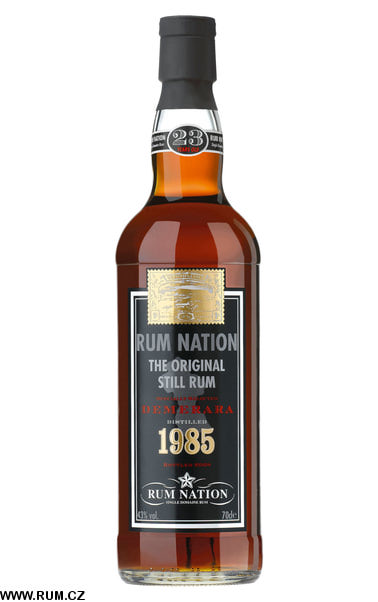
it_114: Rum Nation; The original still rum; Specialy Selected Demerara; Distilled 1985; Bottled 2008; Rum Nation Single Domaine Rum; 43%; 70 cl e
it_191: Rum Nation; Sherry wood finish; Demerara; Distilled 1990; Bottled 2015; Rum Nation Single Domaine Rum; 45%; 70 cl e
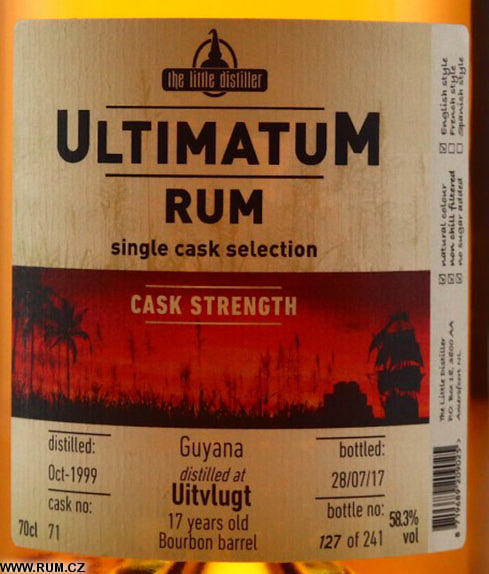
nl_66: The little distiller; Ultimatum Rum; Single cask selection; Cask strength; Distilled: Oct-1999; Bourbon barrel; Cask no: 71; 70 cl; Guyana; Distilled at Uitvlugt; 17 years old; Bottled: 28/07/17; Bottle no: 127 of 241; 58.3% Alc
gy~1: El Dorado; Superior Demerara Rum; 40% alc; 70 cl; Demerara Distillers Ltd, Guyana; Agged 12 Years; Product of Guyana; 5014396111696
gy~2: El Dorado Superior White Demerara Rum; Product of Guyana; 37.5% vol; 70 cl e; 8715151010717
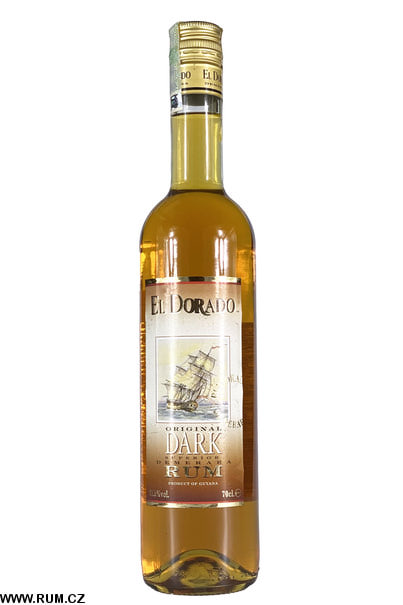
gy~3: El Dorado Original Dark Superior Demerara Rum; Product of Guyana; 37.5% vol; 70 cl e; 8715151030760
gy~6: El Dorado; 70%; Superior Overproof Demerara Rum; Product of Guyana; 70% vol; 70 cl e; 8715151910765
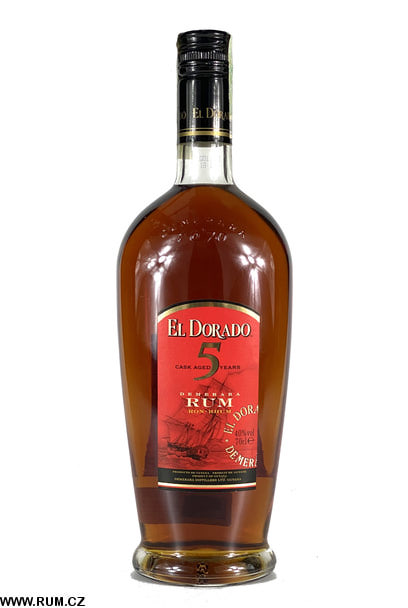
gy~7: El Dorado cask ared 5 years; Demerara Rum, Ron, Rhum; 40% vol; 70 cl e; Producto de Guyana; Produit de Guyane; Product of Guyana; Demerara Distillers Ltd, Guyana; 8715151050782
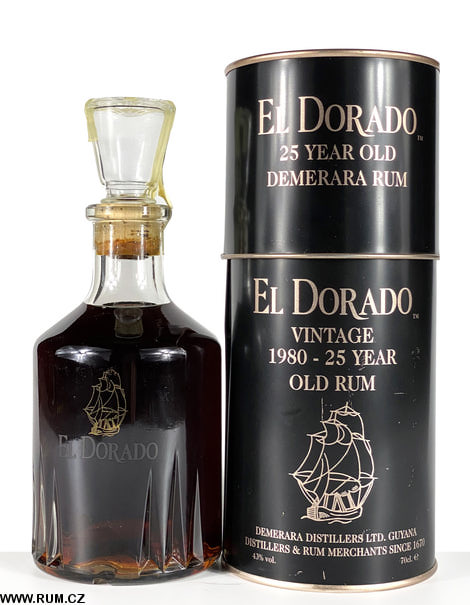
gy~4: El Dorado Vintage; 1980 - 25 Years Old Rum; Demerara Distillers Ltd, Guyana; Distillers & Rum Merchants since 1670; 43% vol; 70 cl e
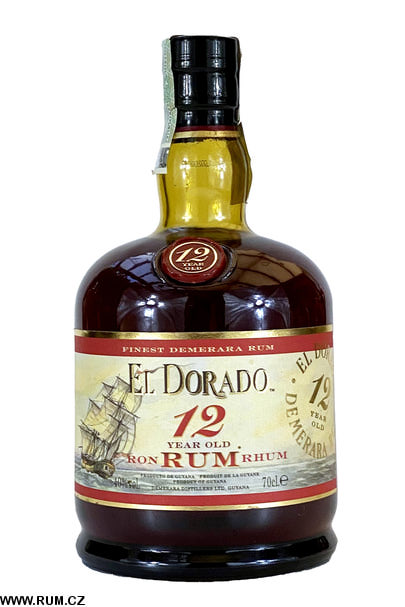
gy~5: Finest Demerara Rum; El Dorado; 12 year old; Ron - rum - rhum; Producto de Guyana; Produit de la Guyane; Product of Guyana; Demerara Distillers Ltd., Guyana; 40%; 70 cl e; El Dorado Demerara Rum; 12 Years Old; 8715151120799
gy~8: El Dorado; Demerara; Spiced Rum; Subtly Spiced; All natural spices distinctively mellow genuine smooth caribbean flavour; Product of Guyana; 37.5 vol; Demerara Distillers LTD, Guyana; e 70 cl; 8715151900759
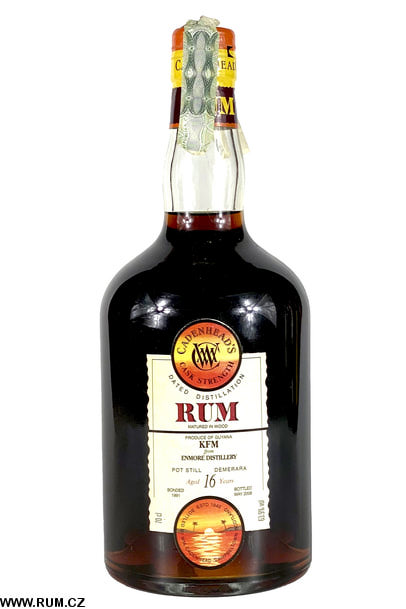
uk~24: Cadenhead's Cask Strength; Dated Distillation Rum; Matured in Wood; Produce of Guyana; KFM from Enmore Distillery; Pot Still; Demerara; Aged 16 Years; Boned 1991; Bottled May 2008; 70 cl; 63.9% vol; Estd 1842; Bottled by Wm. Cadenhead, Campbeltown, Scotland
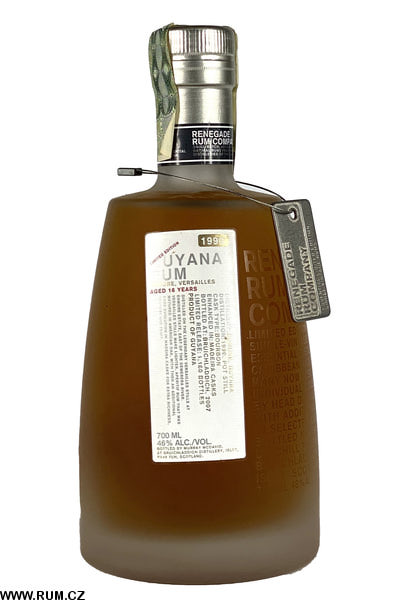
gd~1: Limited Edition; Guyana Rum, Enmore, Versailes; aged 16 years; Distillery: Enmore, Guyana; Distillation: 1990, Pot Still; Cask type: Bourbon; Enhanced in: Madeira casks; Bottled at: Bruichladdich, 2007; Limited release: 1080 bottles; Product of Guyana; Distilled on the legendary versailles stills at Enmore Estate, east of the Demerara river; Versailles stills make lighter, aperitif rum that was matured in american oak. With then an additional cask evolution in madeira casks for extra richness, texture fruit; 700 ml; 46% alc/vol; Bottled by Murray McDavid, at Bruichladdich Distillery, Islay, PA49 7UN, Scotland
it~3: Rum Nation; The original still rum; Specially Selected Demerara; Distilled 1989, Bottled 2001; Bottled in United Kingdom for Rum Nation, Single Domaine Rum; 45% vol; 70 cl e
it~4: British Guyana; Rum Nation; The Original Still Rum; Specially Selected Demerara; Distilled 1989, Bottled 2001; Bottled in United Kingdom for Rum Nation, Single Domaine Rum; 45% vol; 70 cl e
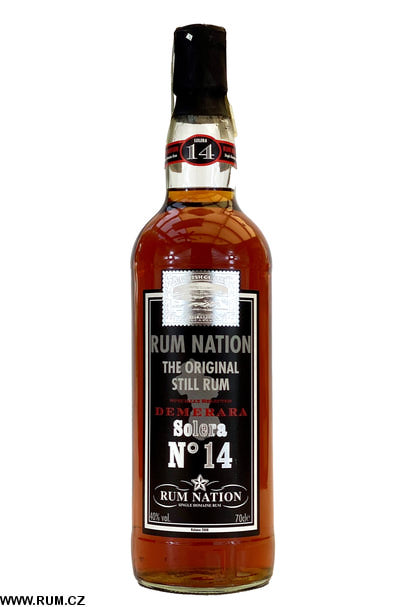
it~15: British Guyana; Rum Nation; The Original Still Rum; Specially Selected Demerara; Solera No 14; Rum Nation, Single Domaine Rum; 40% vol; 70 cl e; Release 2008