


Likérka Stock, Plzeň-Božkov
Rumové etikety
















Mé láhve plné rumu
| Odkazy: |
Stock Plzen - Bozkov |
| Viz také: |
Jan Becher, Karlovy Vary Západočeské lihovary a konzervárny, Horšovský Týn Západočeské lihovary, Sušice |
Historie
Historie největší domácí likérky Stock Plzeň - Božkov se začala psát v italském přístavu Terst, tehdy patřícímu k Rakousku - Uhersku. Zde v roce 1884 založil Lionello Stock společnost Camis & Stock, která dodávala své produkty na území celého mocnářství. Stěžejním výrobkem byl koňak, který dokázal konkurovat dokonce i francouzským výrobkům. K rychle stoupající popularitě přispělo i to, že s ohledem na vysokou jakost směl nést výrobek označení "Medicinal". Firma Camis & Stock patřila ve dvacátých letech k největším svého druhu v Evropě.
Po skončení první světové války se však pro italskou likérku kvůli rozpadu monarchie staly dříve domácí trhy zahraničními a ve vývozu jí bránily cla, kvóty a jiné překážky. Lionello Stock se proto rozhodl založit v jednotlivých zemích bývalého Rakouska - Uherska dceřiné společnosti.
V roce 1920 koupil proto Lionello Stock již existující likérku v Božkově a založil svou pobočku pod názvem Stock Cognac Medicinal. Nejdříve bylo do Božkova dopravováno zboží z Terstu a pouze plněno do lahví. Dopravu zásilek na dráhu obstarával valník tažený koněm a pro osobní dopravu vlastnil božkovský podnik kočár. V tehdejší době zaměstnávala firma asi 15 manuálních pracovníků, 4 úředníky, jednoho prokuristu a ředitele. Postupně ustaly dodávky z Terstu a podnik začal pracovat samostatně. Obchod firmy s názvem Stock Cognac Medicinal H. Planner Božkov u Plzně se rychle rozrůstal a díky vysoké jakosti výrobků nacházel stále větší okruh odběratelů.
Rozhodujícím produktem firmy byl po dlouhou dobu koňak, respektive od roku 1924 brandy. Vznik hořké lihoviny Fernet Stock se datuje rokem 1927.
Z historických pramenů vyplývá, že Fernet Stock je ve své podstatě výsledkem konkurenčního boje, kdy Lionello Stock správně zareagoval na kroky konkurence a uvedl na trh hořkou lihovinu Fernet Stock. Svou prozíravost potvrdil tento úspěšný podnikatel také například tím, že správně odhadl možnosti rozhlasu a jako jeden z prvních jej počátkem 30. let začal používat k reklamě svých výrobků.
Likérka Lionella Stocka v Plzni neměla jednoduchý život. Přestože v roce 1929 vykazovala firma skvělé hospodářské výsledky, na přelomu roku plně pocítila důsledky hospodářské krize. V roce 1939 zabavili továrnu nacisté s tím, že jde o židovský majetek. Po skončení druhé světové války přešla firma pod národní správu a v roce 1947 se na krátký čas vrátila do rukou italského majitele. Opravdu jen na krátko, protože v roce 1948 byla jako většina dalších firem v tehdejším Československu božkovská likérka znárodněna. Zisky z výroby kvalitních lihovin byly v rámci státního podniku využívány na dotování jiných, méně lukrativních výrob. To samozřejmě neumožňovalo firmě investovat do rozšiřování kapacit a například Fernet Stock, jehož obliba v průběhu šedesátých a zejména sedmdesátých let prudce stoupla, byl až do devadesátých let nedostatkovým zbožím.
Po revoluci se božkovská likérka stala samostatnou akciovou společností, začala veškeré zisky investovat zpět do výroby a dokázala tak razantně zvýšit produkci Fernetu Stock. Například mezi lety 1990 a 1997 se prodej této oblíbené lihoviny zvýšil o 500% z 2,7 milionů litrů na 12,5 milionů litrů. Dnes je Stock Plzeň-Božkov největším výrobcem lihovin na Českém trhu s podílem přesahujícím 30%.
V roce 1993 se majoritním akcionářem likérky stal její původní majitel - společnost Stock Trieste. Ta se o dva roky později stala součástí koncernu Eckes, který je největším výrobcem lihovin a ovocných šťáv v Evropě.
V Lihovarské ročence 1937 jsou uvedeny "Plzeňská rafinerie lihu a továrna na ocet" a "Josef Hanak, továrna na lis. droždí a líh".
Původně vyráběla Key Rum již v období první republiky pražská firma Bratři Lobosičtí a ochrannou známku měla na patentovém úřadě registrovánu od roku 1925. Zvláštností Key Rumu bylo, že k jeho výrobě se vždy používal pravý jamajský rum, který bratři Lobosičtí dováželi v sudech do Čech přímo z karibské oblasti. Proto se mohla původní etiketa pyšnit nejen podpisem "Lobosický brothers", ale také slovy "jamaica rum".
Po válce čekal likérku bratrů Lobosických stejný osud jako ostatní soukromé firmy a také ochranná známka Key Rum přešla do rukou národního podniku Polabská Fruta v Mochově. Ani znárodnění však nepřerušilo tradici výroby Key Rumu, který byl v tehdejším Československu jediným produktem obsahujícím jamajský rum. Právě proto byl vždy vyhledávanou lihovinou a na trhu se objevoval jen sporadicky. Problémem byl totiž nedostatek devizových prostředků na dovoz pravého rumu z karibské oblasti a tak se stal Key Rum téměř výhradně "tuzexovým" zbožím. O jeho kvalitě vypovídala i cena, za kterou se prodával. Zatímco běžný "tuzemák" stál padesát korun, za Key Rum se platila dvojnásobná cena. "Key Rum byl totiž originální také v tom, že se vždy vyráběl jako šedesátiprocentní a často se používal v barech k přípravě míchaných nápojů," vysvětluje Martin Petrášek.
Ochranná známka, kterou koupil Stock Plzeň - Božkov od akciové společnosti Briliant, nástupce státního podniku Fruta Mochov, přetrvala v různých obměnách více než sedmdesát let. Po celou dobu existence vévodil etiketě zlatý klíč a červený název Key Rum.
V roce 2016 koupila Stock Spirits Group od Bohemia Sektu značku Dynybyl.
Zde jsou plné texty z etiket
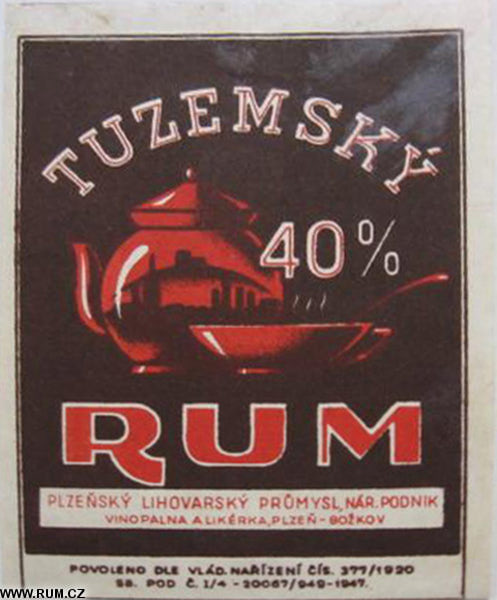
cz_185: Tuzemský rum; 40%; Plzeňský lihovarský průmysl, nár. podnik, Vinopalna a likérka, Plzeň-Božkov; Povoleno dle vlád. nařízení čís. 377/1920 Sb. pod č. 1/4 20067/949-1947
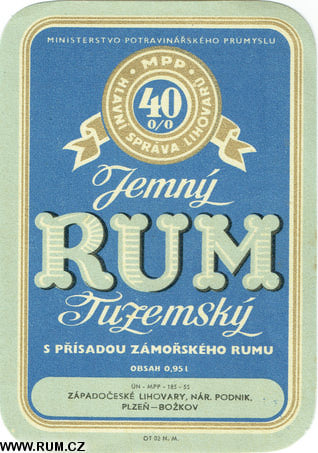
cz1932: Ministerstvo potravinářského průmyslu; MPP - Hlavní správa lihovarů; 40%; Jemný rum tuzemský s přísadou zámořského rumu; Obsah 0.95 l; N-MPP-185-55; Západočeské lihovary, nár. podnik, Plzeň - Božkov; GT 02 N.M.
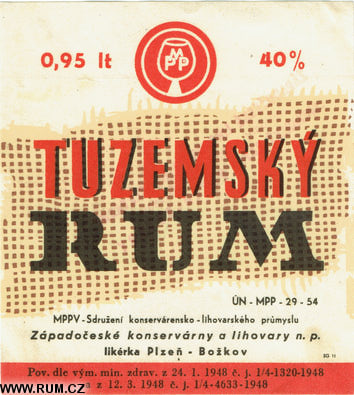
cz1655: 0,95 l; 40%; MPP; Tuzemský rum; ÚN-MPP-29-54; MPPV - Sdružení konservárensko-lihovarského průmyslu; Západočeské konservárny a lihovary, n. p., Likérka Plzeň - Božkov; Pov. dle vým. min. zdrav. z 24.1.1948 č.j. 1/4-1320-1948 a z 12.3.1948 č.j. 1/4-4633-1948; SQ 11
cz1893: Západočeské lihovary a konzervárny n.p. Likérka Plzeň-Božkov; ÚNK 567081; Obsah 0.95 l, 0.45 l; SMC Kčs 62.-, 30.-; Rum tuzemský; 40%
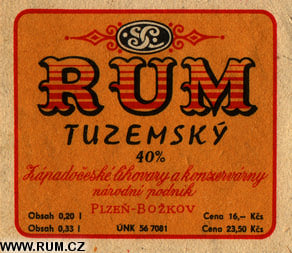
cz605: SC; Rum tuzemský; Západočeské lihovary a konzervárny, národní podnik, Plzeň - Božkov; Obsah 0,20 l, cena 16,- Kčs; Obsah 0,33 l, cena 23,50 Kčs; ÚNK 567081
cz871: 500 ml; 40% alc vol; Rum Punch; Distilled and bottled by Západočeské Liko, Závod Likérka Plzeň - Božkov; Czechoslovakia
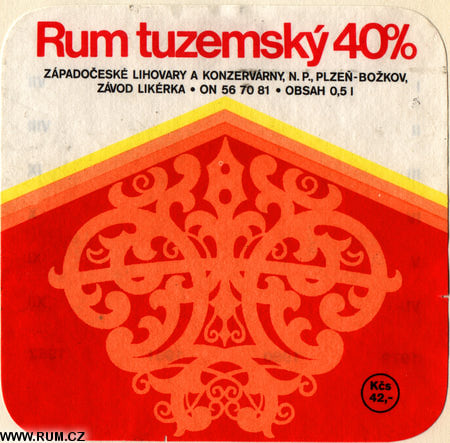
cz84: Rum tuzemský 40%; Západočeské lihovary a konzervárny, n. p., Plzeň-Božkov, závod Likérka; ON 567081; Obsah 0,5 L; 42,- Kčs
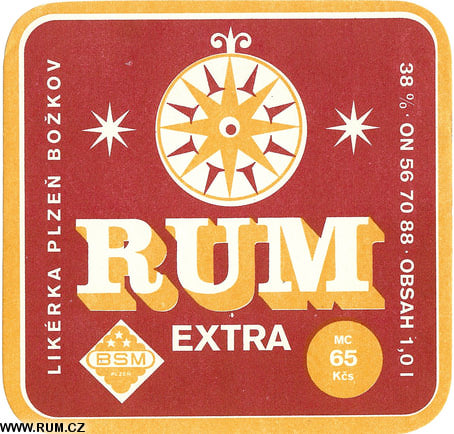
cz995: Rum extra; BSM Plzeň; MC 65 Kčs; Likérka Plzeň Božkov; 38% - ON 5670 88; Obsah 1,0 l
cz1937: Západočeské lihovary a konzervárny, národní podnik, Plzeň-Božkov; 45%; 0,5 l; SMC Kčs 30.-; Rum tuzemský; Pilsner Original Distillerie
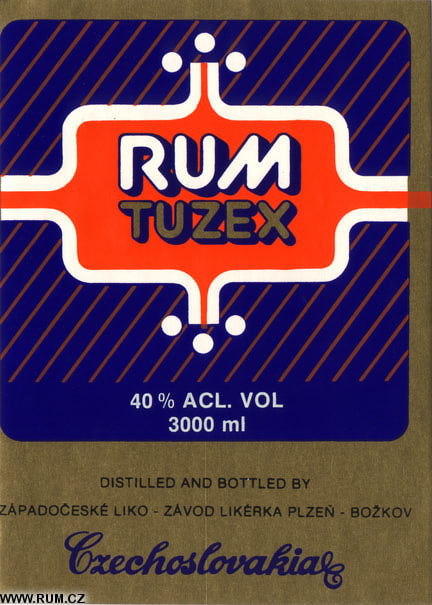
cz397: Rum Tuzex; 40% alc.vol; 3000 ml; distilled and bottled by Západočeské Liko - Závod Likérka Plzeň - Božkov; Czechoslovakia
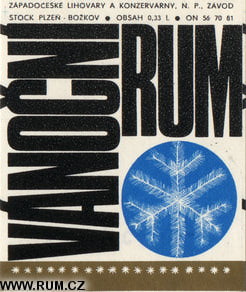
cz581: Západočeské lihovary a konzervárny, n.p., Likérka Plzeň Božkov; Obsah 0,33 l; ON 567081; Vánoční rum
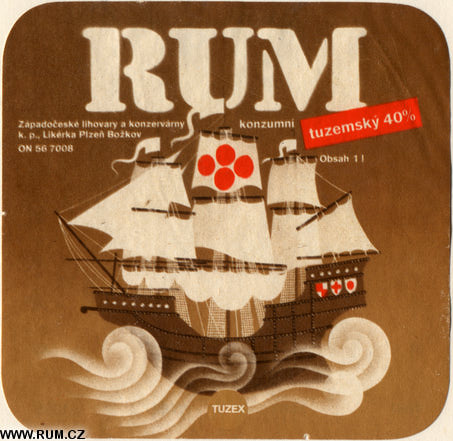
cz87: Rum tuzemský 40% konzumní; Západočeské lihovary a konzervárny, k.p., Likérka Plzeň Božkov; ON 567008; Obsah 1 l; TUZEX
cz95: Božkov; Rum tuzemský; 38% obj.; 0,5 l; 8594005010116
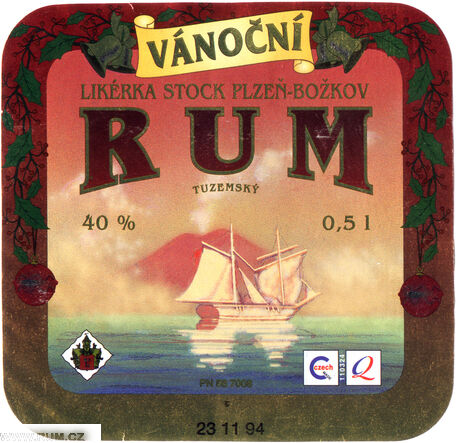
cz89: Vánoční rum tuzemský; Likérka Stock Plzeň-Božkov; 40% - 0,5 l; PN 567008; 110324
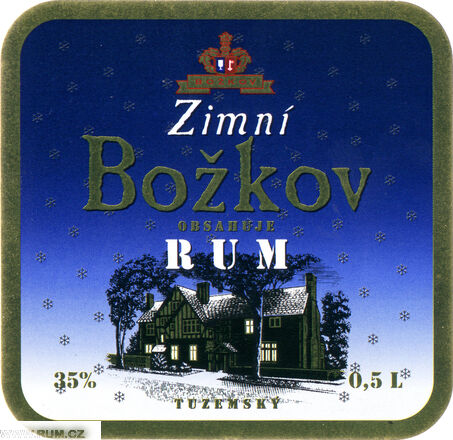
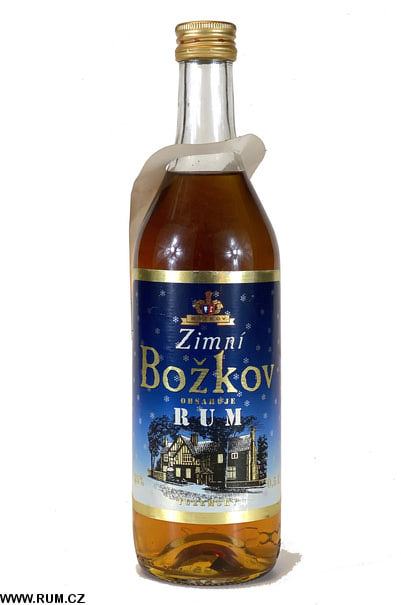
cz320: Zimní Božkov obsahuje Rum tuzemský; Božkov; 35%; 0,5 l
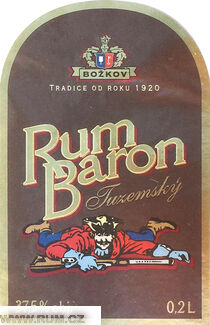
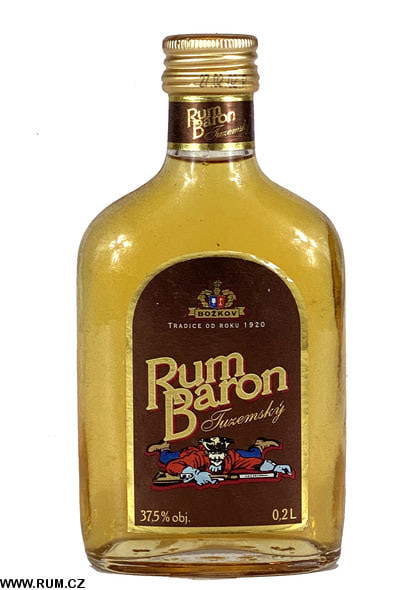
cz865: Božkov; Tradice od roku 1920; Rum Baron; tuzemský; 37.5% obj; 0.2 l; 8594005011632
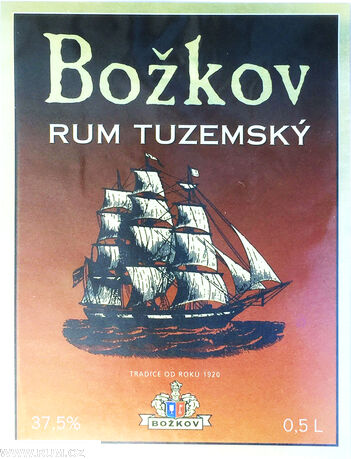
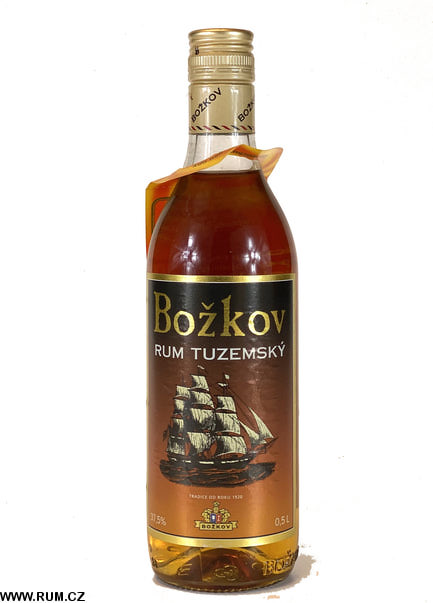
cz867: Božkov; Rum tuzemský; Tradice od roku 1920; 37.5%; Božkov; 0.5 l; 8594005010895
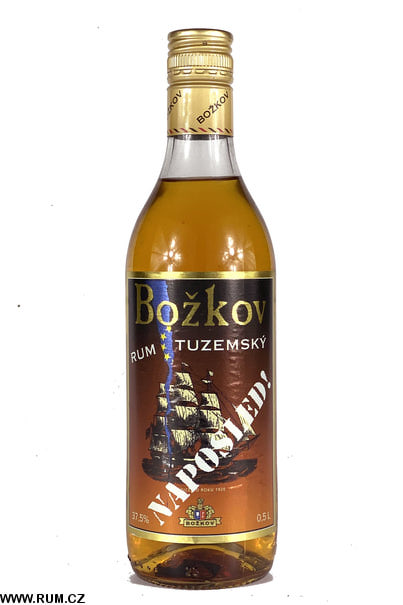
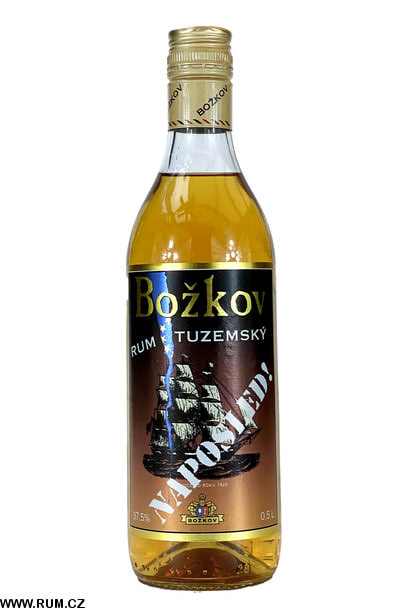
cz886: Božkov; Rum tuzemský; Tradice od roku 1920; 37.5%; Božkov; 0.5 l; Naposled; 8594005010895
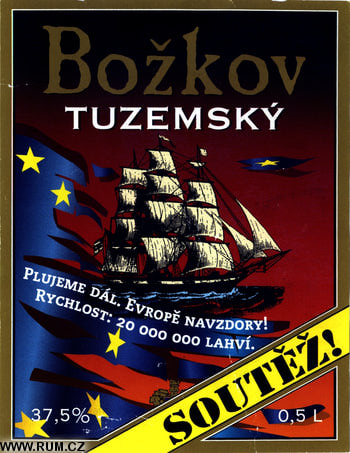
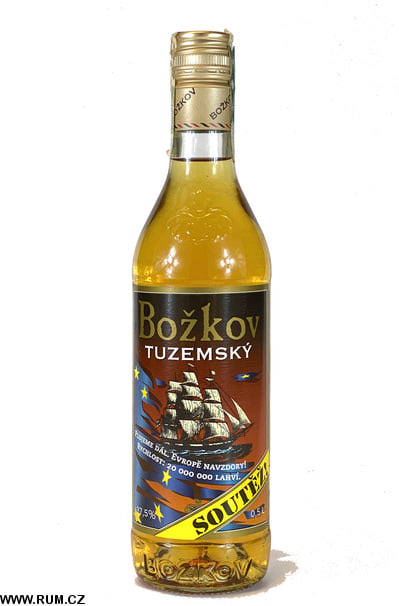
cz1435: Božkov tuzemský; Plujeme dál. Evropě navzdory! Rychlost: 20000000 lahví; 37.5%; Soutěž; 0.5 L
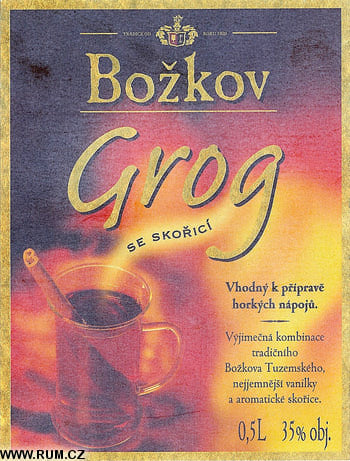
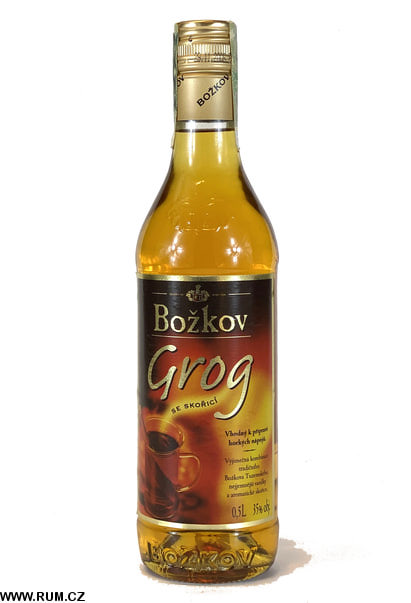
cz1043: Tradice od roku 1920; Božkov; Grog se skořicí; Vhodný k přípravě horkých nápojů; vyjímečná kombinace tradičního Božkova Tuzemského, nejjemnější vanilky a aromatické skořice; 0,5 L; 35% obj; 8594005013803
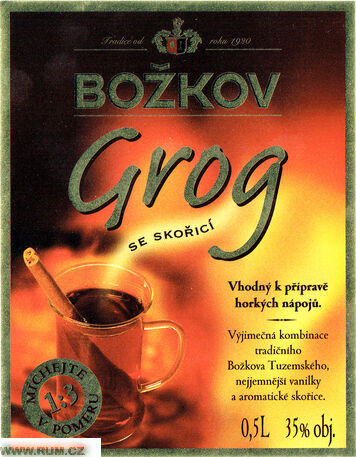
cz1802: Tradice od roku 1920; Božkov; Grog se skořicí; Vhodný k přípravě horkých nápojů; Vyjímečná kombinace tradičního Božkova Tuzemského, nejjemnější vanilky a aromatické skořice; 0,5 L; 35% obj; Míchejte v poměru 1:3; 8594005013803
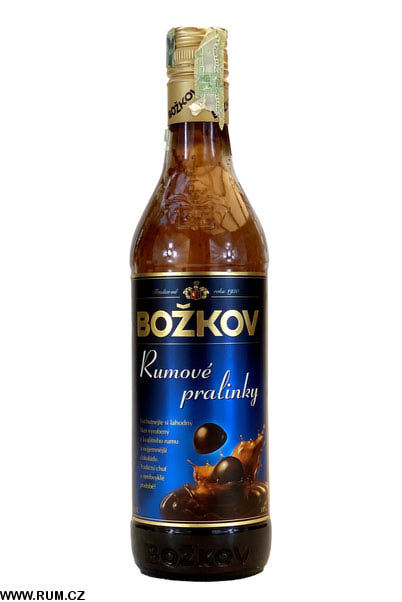
cz2586: Tradice od roku 1920; Božkov; Rumové pralinky; Vychutnejte si lahodný likér vyrobený z kvalitního rumu a nejjemnější čokolády; Tradiční chuť v neobvyklé podobě; 0.5 l; 18%; 8594005014176
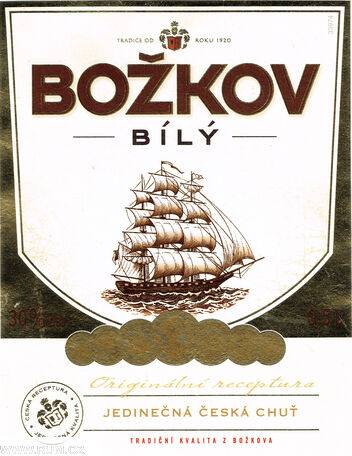
cz2182: Tradiční od roku 1920; Božkov bílý; Česká receptura; Jedinečná kvalita; Originální receptura; Jedinečná česká chuť; Tradiční kvalita z Božkova;; 8594005018693
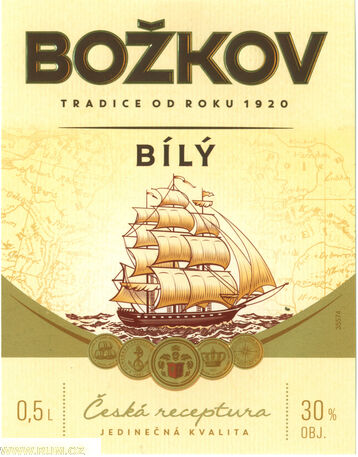
cz2261: Božkov Bílý; Tradice od roku 1920; 0.5 L; Česká receptura; Jedinečná kvalito; 30% obj; 35574; 8594005018693
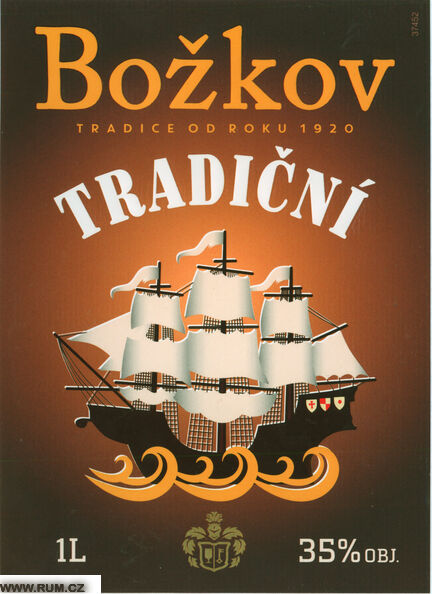
cz2472: Tradice od roku 1920; Božkov Tradiční; 1 L; 35% obj; 8594005024892
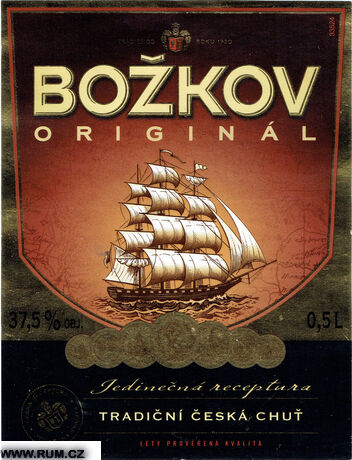
cz1919: Tradice od roku 1920; Božkov original; 37.5% obj; 0.5 L; Jedinečná receptura; Tradiční česká chuť; Lety prověřená kvalita; 8594005012028
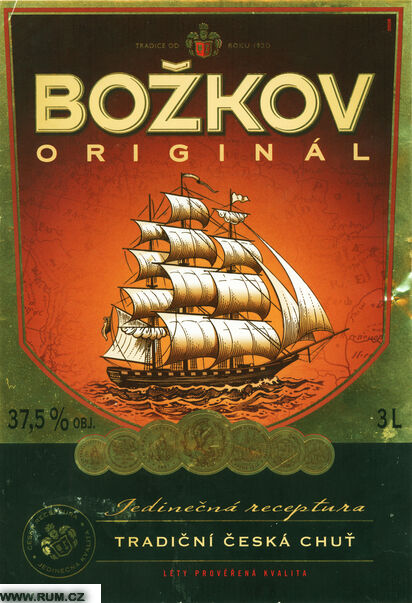
cz2480: Tradice od roku 1920; Božkov original; 37.5% obj; 3 L; Jedinečná receptura; Tradiční česká chuť; Lety prověřená kvalita; 8594005011694
cz2189: Tradice od roku 1920; Božkov original; 0.5 l; Česká receptura; Jedinečná kvalita; 37.5% obj; 8594005012028
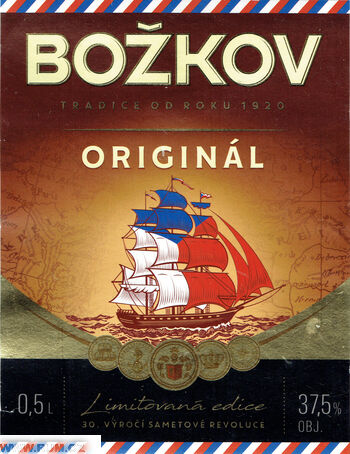
cz2186: Tradice od roku 1920; Božkov original; 0.5 l; Limitovaná edice; 30. výročí sametové revoluce; 37.5% obj; 8594005012028
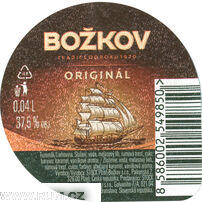
cz2383: Božkov Originál; Tradice od roku 1920; 0.04 L; 37.5% obj; Tuzemák / Liehovina. Složení: voda, melasový líh, rumová tresť, cukr, barvivo: karamel, vanilkové aroma; Zloženie: voda, melasový lieh, rumová tresť, cukor, farbivo: obyčajný karamel, vanilková aróma; Výrobce / výrobca: STOCK Plzeň-Božkov s.r.o., Palírenská 2, 326 00 Plzeň, Česká republika; Predávajúci: STOCK Slovensko s.r.o., Galvaniho 7/A, 821 04, Bratislava, Slovenská republika; 8586002549850
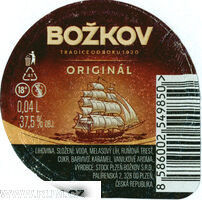
cz2482: Božkov Originál; Tradice od roku 1920; 0.04 L; 37.5% obj; Lihovina. Složení: voda, melasový líh, rumová tresť, cukr, barvivo: karamel, vanilkové aroma; Výrobce: STOCK Plzeň-Božkov s.r.o., Palírenská 2, 326 00 Plzeň, Česká republika; 8586002549850
cz2384: Dolnozemská Tuzemský; Liehovina. Distributor SR: STOCK Slovensko s.r.o., Galvaniho 7/A, 821 04, Bratislava, SK; Zloženie: voda, lieh, arómy, cukor, farbivo: obyčajný karamel; 0.04 l; 40% obj; 8586002547108
cz2469: Božkov standard; Tradice od roku 1920; 0.5 L; Česká receptura; Jedinečná kvalita; 30% obj.; 37212; 8594005023918
cz1920: Tradice od roku 1920; Božkov jemný original; Speciál; Známá chuť zjemněná kávou; 8594005016323
cz2025: Tradice od roku 1920; Božkov Speciál Kávový; 33% obj; 0,5 L; Známá chuť zjemněná kávou; Jedinečná receptura; 8594005018020
cz2229: Tradice od roku 1920; Božkov speciál mandlový; 0.5 l; Česká receptura; Jedinečná kvalita; 30% obj; 8594005018044
cz2573: Božkov; Tradice od roku 1920; Speciál medový; 0,5 L; Česká receptura; Jedinečná kvalita; 30% obj; 8594005025868
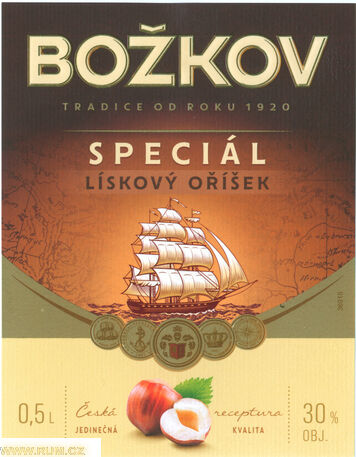
cz2273: Božkov speciál Lískový oříšek; Tradice od roku 1920; 0.5 L; Česká receptura; Jedinečná kvalita; 30% obj; 36915; 8594005022966
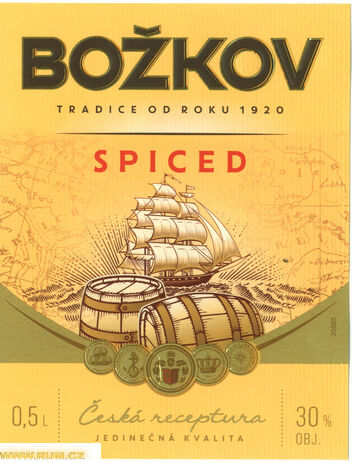
cz2274: Božkov Spiced; Tradice od roku 1920; 0.5 L; Česká receptura; Jedinečná kvalita; 30% obj; 35565; 8594005015586
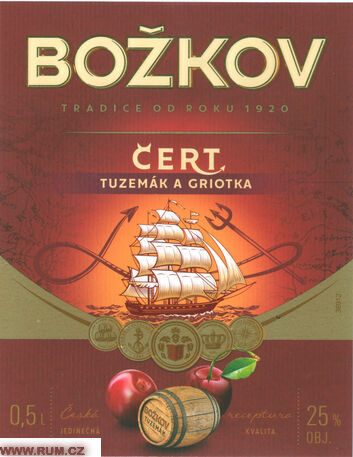
cz2275: Božkov Čert; Tuzemák a griotka; Tradice od roku 1920; 0.5 L; Česká receptura; Jedinečná kvalita; 30% obj; 35565; 8594005022942
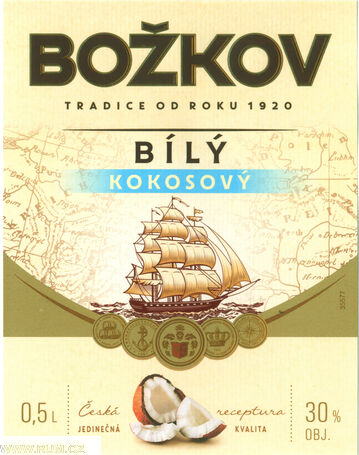
cz2276: Božkov bílý kokosový; Tradice od roku 1920; 0.5 L; Česká receptura; Jedinečná kvalita; 30% obj; 35577; 8594005019874
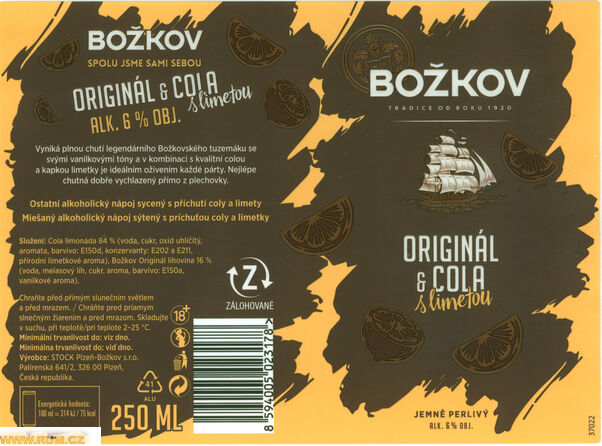
cz2473: Božkov Originál & Cola s liometkou; Tradice od roku 1920; Jemně perlivý; Alk 6 % obj; 37022; 8594005023178
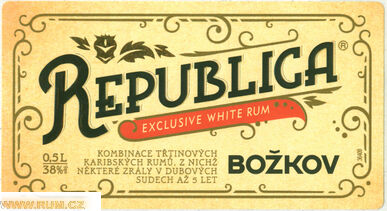
cz2266: Republica Exclusive White Rum; Božkov; 0,5 l; 38%; Kombinace třtinových karibských rumů, z nichž některé zrály v dubových sudech až 5 let; 36409; 8594005022195
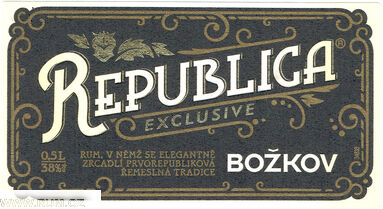
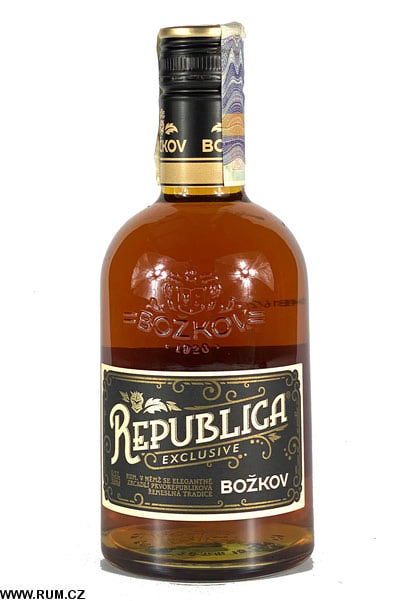
cz2210: Republica Exclusive; Božkov; 0,5 l; 38%; Rum v němž se elegantně zrcadlí prvorepubliková řemeslná tradice; 8594005019461
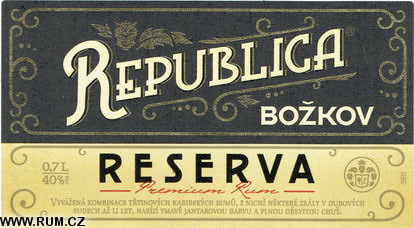
cz2226: Republica Božkov Reserva; Premium Rum; 0,7 L; 40% obj; Vyvážená kombinace třtinových karibských rumů, z nichž některé zrály v ovocných sudech až 12 let, nabízí tmavě jantarovou barvu a plnou dřevitou chuť; 35812; 8594005021068
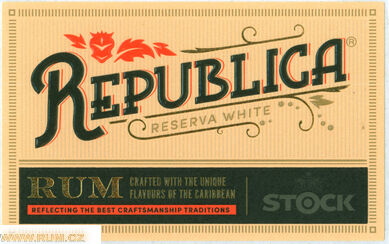
cz2474: Republica Reserva White; Rum; Crafted with the unique flavours of the caribbean; Reflecting the best craftmanship traditions; Stock; 5902573010231
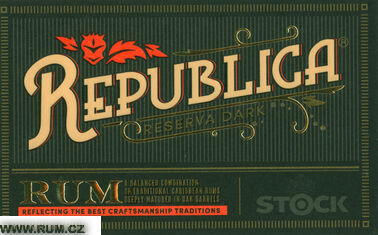
cz2475: Republica Reserva Dark; Rum; A balanced combination of traditional caribbean rums deeply matured in oak barrels; Reflecting the best craftmanship traditions; Stock; 5902573010231
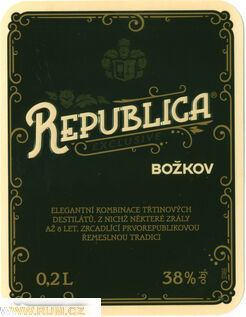
cz2268: Republica Exclusive; Božkov; Elegantní kombinace třtinových destilátů, z nichž některé zrály až 8 let, zrcadlící prvolepublikovou řemeslnou tradici; 0.2 L; 38% obj; 37466; 8594005024953
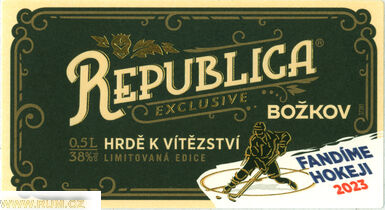
cz2269: Republica Exclusive; Božkov; 0.5 L; 38% obj; Hrdě k vítězství; Limitovaná edice; Fandíme hokeji 2023; 37281; 8594005019461
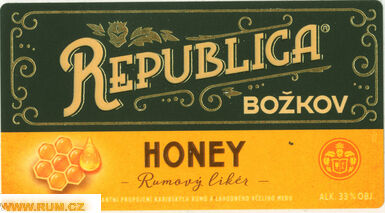
cz2277: Republica Božkov; 0.5 L; Honey; Rumový likér; Elegantní propojení karibských rumů a lahodného včelího medu; ; 30% obj; 8594005022942
cz2578: Republica Božkov; 0.5 L; Chocolate; Rumový likér; Elegantní propojení karibských rumů a kakaových bobů; 33% obj; 37350; 8594005024618
cz2579: Republica Božkov; 0.5 L; Espresso; Rumový likér; Elegantní propojení karibských rumů a kávového extraktu z 100% guatemalské arabiky; alk. 33% obj; 37218; 8594005023956
cz2581: Republika Božkov Ginger & Lime; Rum & Zázvor & Limeta & Soda; Jemně perlivý; Alk 6% obj; 37559; 8594005025974
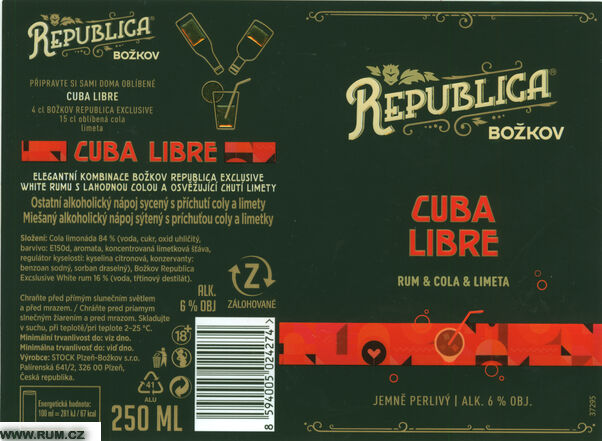
cz2476: Republika Božkov Cuba Libre; Rum & Cola & Limeta; Jemně perlivý; Alk 6% obj; 37295; 8594005024274
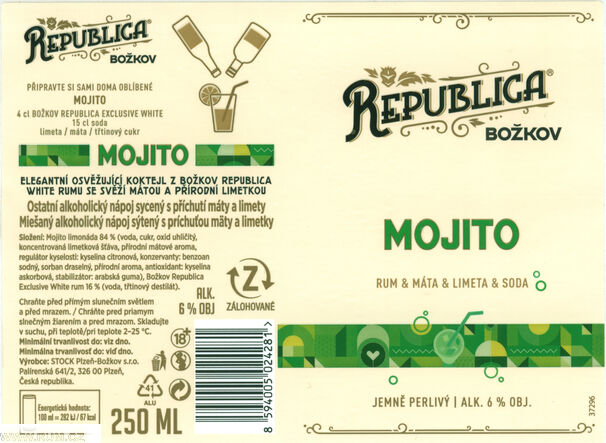
cz2477: Republika Božkov Mojito; Rum & Máta & Limeta & Soda; Jemně perlivý; Alk 6% obj; 37296; 8594005024281
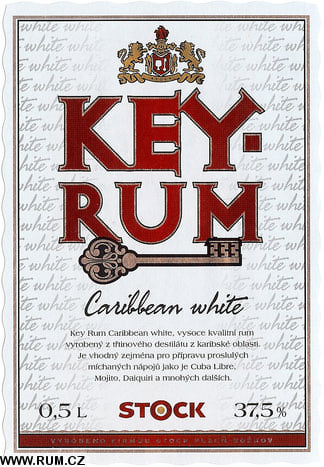
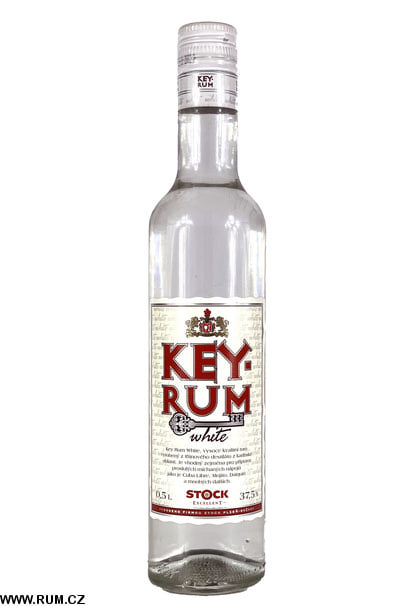
cz1194: Stock; Key Rum; Caribbean white; Key Rum Caribbean White - vysoce kvalitní rum vyrobený z třtinového destilátu z karibské oblasti. Je vhodný zejména pro přípravu proslulých míchaných nápojů jako je Cuba Libre, Mojito, Daiquiri a mnohých dalších. 0.5 l; Stock; 37.5%; Vyrábeno firmou Stock Plzeň-Božkov; 8594005011809
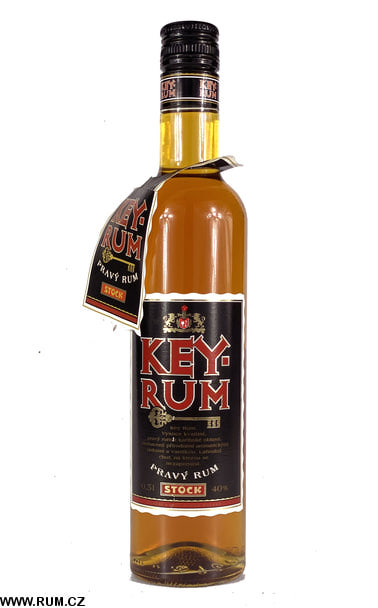
cz869: Key Rum; Key Rum; Vysoce kvalitní, pravý rum z karibské oblasti, obohacený přírodními aromatickými látkami a vanilkou. Lahodná chuť, na kterou se nezapomíná. Pravý rum; 0.5 l; Stock; 40%; Vyrábí Stock Plzeň-Božkov; 8594005011496
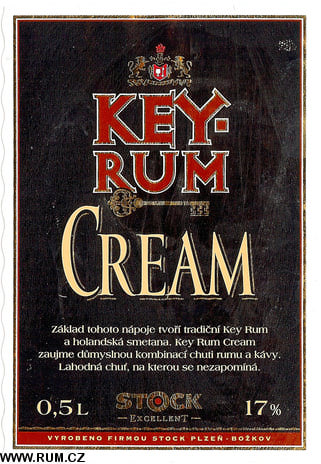
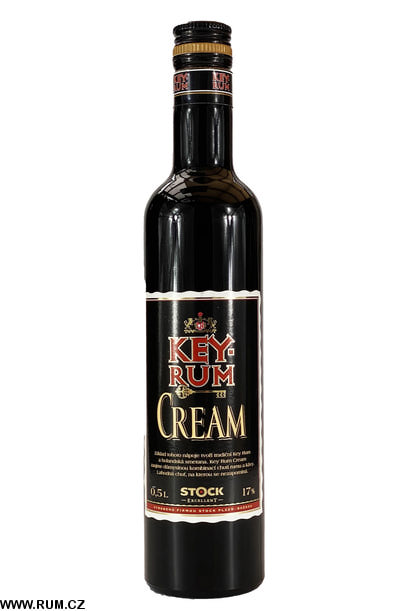
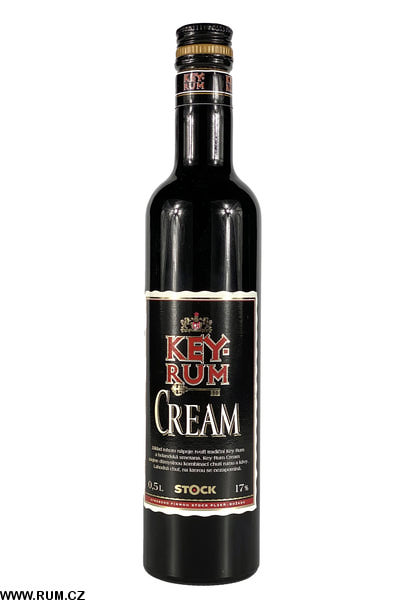
cz1135: Key Rum Cream; Základ tohoto nápoje tvoří tradiční Key Rum a holandská smetana. Key Rum Cream zaujme důmyslnou kombinací chuti rumu a kávy. Lahodná chuť, na kterou se nezapomíná. 0.5 L; Stock; Excellent; 17% Vyrobeno firmou Stock Plzeň - Božkov
cz2582: Est. 1925; Caribbean Key Rum White; Alc 37.5% vol; 0.5 L; Distilled from sugar cane; Key to Caribbean World; 36559; 8594005022126
cz2583: Est. 1925; Venezuela Key Rum; Alc 38% vol; 0.5 L; Distilled from sugar cane; Key to Venezuela; 37456; 8594005024915
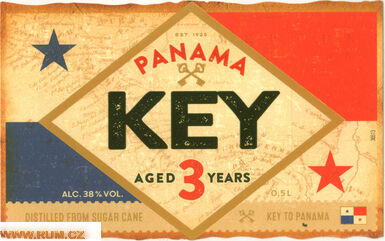
cz2265: Est. 1925; Panama Key; Aged 3 years; Alc 38% vol; 0.5 L; Distilled from sugar cane; Key to Panama; 36513; 8594005022140
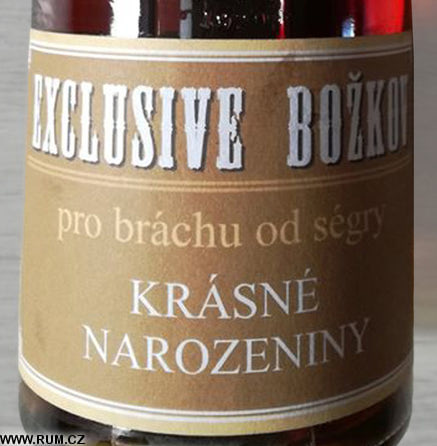
cz_273: Exclusive Božkov pro bráchu od ségry: Krásné narozeniny
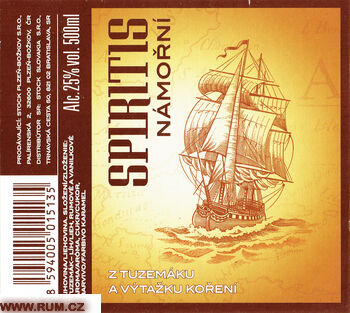
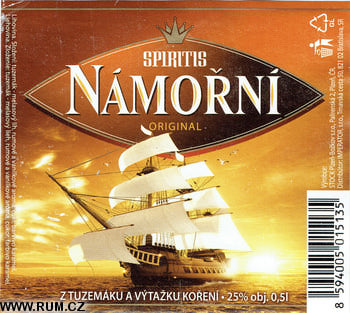
cz2036: Spirits Námořní; Z tuzemáku a výtažku koření; alc 25% vol; 500 ml; Lihovina/Liehovina. Složení/Složenie: tuzemák - líh/lieh, rumové a vanilkové aroma/aróma, cukr/cukor, barvivo/farbivo karamel; Prodávající: Stock Plzeň-Božkov s.r.o., Palírenská 2, 32600 Plzeň-Božkov, ČR; Distribútor: Stock Slovakia s.r.o., Trnavská cesta 50, 821 02 Bratislava, SR; 8594005015135
cz2220: Spirits Námořní original; Z tuzemáku a výtažku koření; 25% obj; 0,5 l; Lihovina. Složení: tuzemák - melasový líh, rumové a vanilkové aroma, cukr, barvivo karamel; Liehovina. Zloženie: Tuzemák - melasový lieh, rumové a vanilkové aróma, cukor, farbivo karamel; Výrobce: Stock Plzeň-Božkov, Palírenská , Plzeň, ČR; Distribútor: Imperator, s.r.o., Trnavská cesta 50, 821 02 Bratislava, SR; GL; 8594005015135
cz2584: Ron de Azur; Panama Rum; Aged 6 years; Region Herrera; 38% obj; 0.5 L; 37330; 8594005024656
cz2585: Ron de Azur; Panama Rum; Aged 6 years; Region Herrera; 38% obj; 0.7 L; 37332; 8594005024663
cz2587: Originál Bartida s jemnou vanilkou; 37.5% obj; 1 l; 36798; 8594163370169
cz2588: Bartida; Čert; Likér s tradicí; 30% obj; 1 l; 36806; 8594163370336
cz2589: Bandita Original; Sailor's Taste; 0.7 L; Alc 40% vol; Augustine Herrman, Bohemian explorer, merchant, cartographer and corsair; 36834; 8594163370121
cz2590: Bandita Black; Old Navy Spiced; 0.7 L; Alc 50% vol; Special edition; 36839; 8594163370282
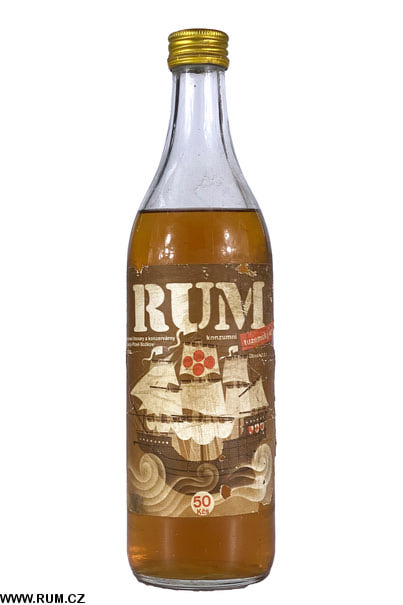
cz~279: Rum tuzemský 40% konzumní; Západočeské lihovary a konzervárny, k.p., Likérka Plzeň Božkov; ON 567008; Obsah 0,5 l; 50 Kčs
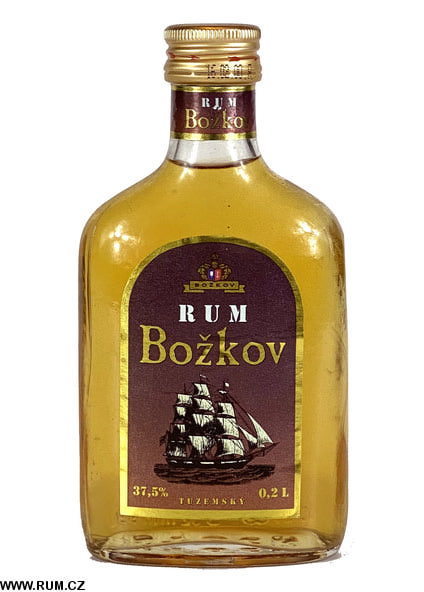
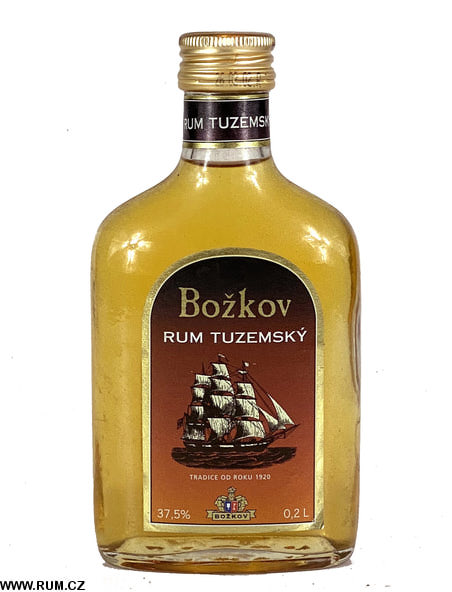
cz~81: Rum Božkov Tuzemský; 37.5%; 0,2 l
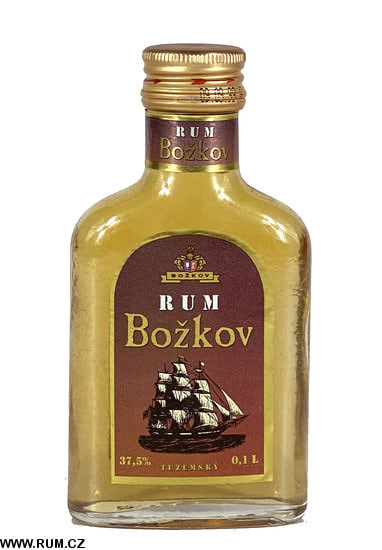
cz~2: Rum Božkov Tuzemský; 37.5%; 0,1 l; 8594005011236
cz~155: Božkov Rum Tuzemský; Tradice od roku 1920; 37.5%; 0,2 l; 8594005010901
cz~154: Božkov; Tradice od roku 1920; Rum Baron; 37.5% obj; 0,2 l; 8594005011632
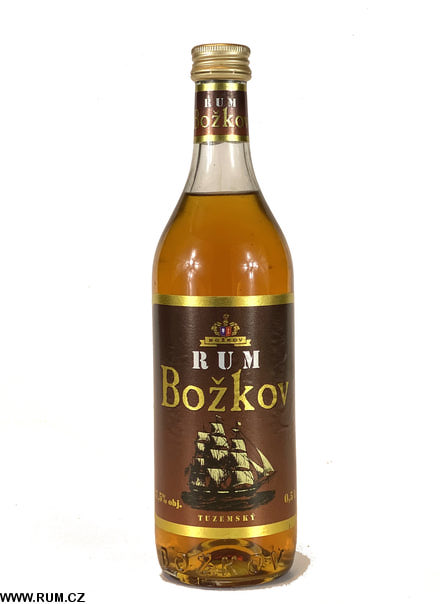
cz~86: Rum Božkov tuzemský; 37.5% obj; 0.5 l; 8594005010895
cz~87: Božkov rum tuzemský; Tradice od roku 1920; 37.5%; 0.5 l; 8594005010895
cz~88: Božkov rum tuzemský; NAPOSLED; Tradice od roku 1920; 37.5%; 0.5 l; 8594005010895
cz~175: Božkov; Rum tuzemský; Naposled; 1920; 37.5%; 0.5 L; Božkov; 8594005010895
cz~196: Božkov Tuzemský; Plujeme dál. Evropě navzdory! Rychlost: 20 00 00 lahví; Soutěž! 37.5%; 0.5; 8594005012028
cz~99: Key Rum White, vysoce kvalitní rum vyrobený z třtinového destilátu z karibské oblasti. Je vhodný zejména pro přípravu proslulých míchaných nápojů jako je Cuba Libre, Mojito, Daiquiry a mnoho dalších; 0.5 l; Stock; 37.5%; Excelent; Vyrobeno firmou Stock Plzeň-Božkov; 8594005011809
cz~48: Key Rum; Vysoce kvalitní, pravý rum z karibské oblasti, obohacený přírodními aromatickými látkami a vanilkou. Lahodná chuť, na kterou se nezapomíná. Pravý rum; 0.5 l; Stock; 40%; Vyrábí Stock Plzeň-Božkov; 8594005011496
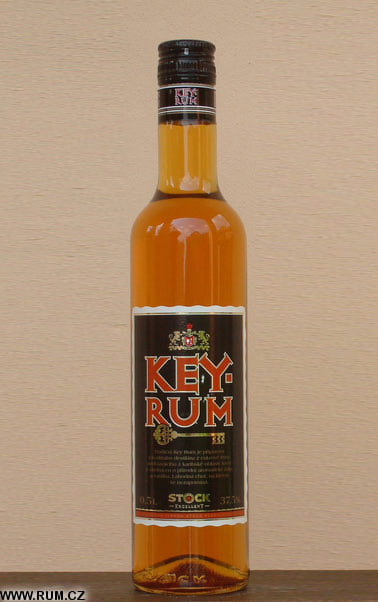
cz~204: Key Rum; Tradiční Key Rum je připraven z kvalitního destilátu z cukrové třtiny pocházející z karibské oblasti, který je obohacen o přírodní aromatické látky a vanilku. Lahodná chuť, na kterou se nezapomíná. 0.5 l; Stock; Excelent; 37.5%; Vyrobeno firmou Stock Plzeň Božkov
cz~269: Republica Exclusive; Božkov; 0,5 l; 38%; Rum v němž se elegantně zrcadlí prvorepubliková řemeslná tradice; 8594005019461
cz~85: Zimní Božkov obsahuje rum tuzemský; 35%; 0.5 l; 8594005011168
cz~203: Key Rum Cream; Základ tohoto nápoje tvoří tradiční Key Rum a holandská smetana. Key Rum Cream zaujme důmyslnou kombinací rumu a kávy. Lahodná chuť, na kterou se nezapomíná; 0.5 l; Stock Excelent; 17% vol; Vyrobeno firmou Stock Plzeň - Božkov; 8594005012066
cz~267: Key Rum Cream; Základ tohoto nápoje tvoří tradiční Key Rum a holandská smetana. Key Rum Cream zaujme důmyslnou kombinací chuti rumu a kávy. Lahodná chuť, na kterou se nezapomíná; Vyrobeno firmou Stock Plzeň; 0.5 l; Stock; 17% vol
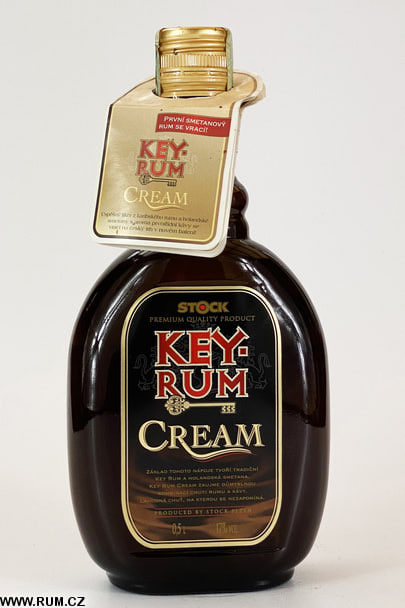
cz~202: Stock Premium Quality Product; Key Rum Cream; Základ tohoto nápoje tvoří tradiční Key Rum a holandská smetana. Key Rum Cream zaujme důmyslnou kombinací rumu a kávy. Lahodná chuť, na kterou se nezapomíná; Produced by Stock Plzeň; 0.5 l; 17% vol; 8594005013995
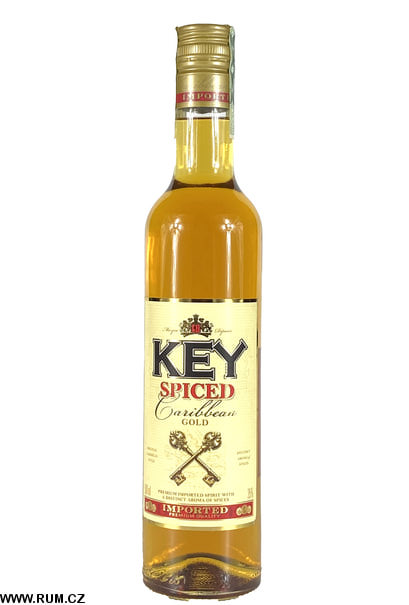
cz~273: Key Spiced Caribbean Gold; Original Caribbean Style; Distinct Aroma of Spices; 500 ml; Premium imported spirit with a distinct aroma of spices; 35%; Imported; Premium Quality; 8594005015838
cz~227: Tradice od roku 1920; Božkov; Rumové pralinky; Vychutnejte si lahodný likér vyrobený z kvalitního rumu a nejjemnější čokolády; Tradiční chuť v neobvyklé podobě; 0.5 l; 18%; 8594005014176
cz~192: Tradice od roku 1920; Božkov; Grog se skořicí; Vhodný k přípravě horkých nápojů; Výjimečná kombinace tradičního Božkova Tuzemského, nejjemnější vanilky a aromatické skořice; 0.5 L; 35% obj; 8594005013803