


Ypióca Agroindustrial Ltda.
Rumové etikety





Mé láhve plné rumu
| Odkazy: |
Ypióca oficial |

Historie
Firma byla založena roku 1846.
1. generace: Dario Telles de Menezes
Předvídavý portugalec Dario Telles přistál ve státě Ceará v roce 1846 a přivezl si tajemství nejlepších evropských lihovarů.
Usadil se v městě Marazion a spustil provoz pálenice, kterou pokřtil Ypióca.
Všechno tedy začalo malým keramickým destilačním přístrojem dovezeným z Portugalska.
2. generace: Dario Borges Telles
Druhá generace v čele s kapitánem Dario Borges Tellesem zavedla litinový destilační kotel,
zpracování ovšem bylo ještě zcela manuální.
3. generace: Paulo Campos Telles
V roce 1929 převzal lihovar Paul Campos Tellesu a provedl důležité inovace,
jako je přesné stáčení nebo zrání v sudech z balzy,
což umožnilo skladování po dobu více než dvou let.
4. generace: Everardo Ferreira Telles
Čtvrtá generace pod vedením Everardo Ferreira Tellese převzala v roce 1968 kontrolu nad podnikem
a zavedla významné inovace a nejmodernější technologie.
Company
Společnost vlastní kolem Fortaleza-CE pět závodů. Nacházejí se v oblastech, kde převažuje kultura cukrové třtiny.
První závod je v Maranguape, jen 30 km od Fortaleza. Celá produkce tu zraje v sudech z aromatického dřeva jako je balza. V původních prostorách podniku v Marazionu sídlí Ypióca Museum se zařízeními a stroji z 19. století.
Druhý závod na výrobu cachacy je v Pecém, malém městečku na pobřeží Ceará. Je obklopen plantáží cukrové třtiny. Pro zrání cachacy užívá také barely z balzy .
Další dva závody jsou Pindoretama Acarape v blízkosti pobřeží Ceará. Společnost zde vlastní obrovské zavlažované plantáže cukrové třtiny.
Pátý závod z roku 1996 je v Paraipaba a je největší s plochou přes 1500 ha. Je obklopen nádhernými zavlažovanými plantážemi cukrové třtiny.
V roce 2012 firmu Ypióca Agroindustrial Ltda koupila britská nadnárodní společnost Diageo.
Zde jsou plné texty z etiket
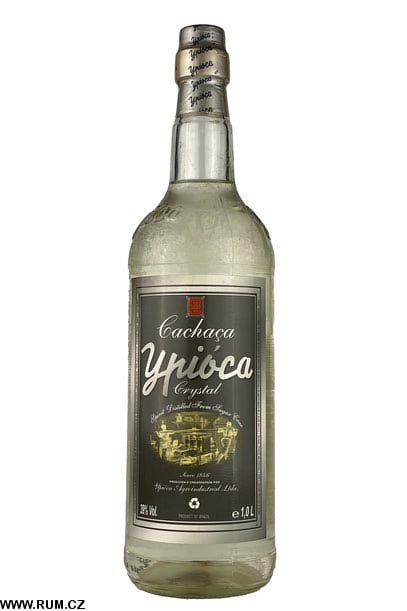
br46: Cachaça Ypióca Crystal; Spirit Destilled from Sugar Cane; Since 1846; Produzida e Engarrafada por Ypióca Agroindustrial LTDA.; 39% vol; product of Brazil; 1 L
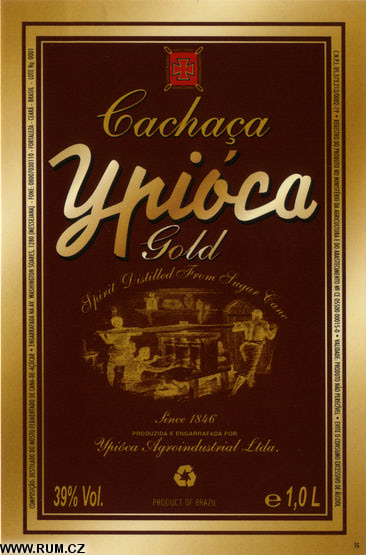
br47: Cachaça Ypióca Gold; Spirit Destilled from Sugar Cane; Since 1846; Produzida e Engarrafada por Ypióca Agroindustrial LTDA.; 39% vol; product of Brazil; 1 L
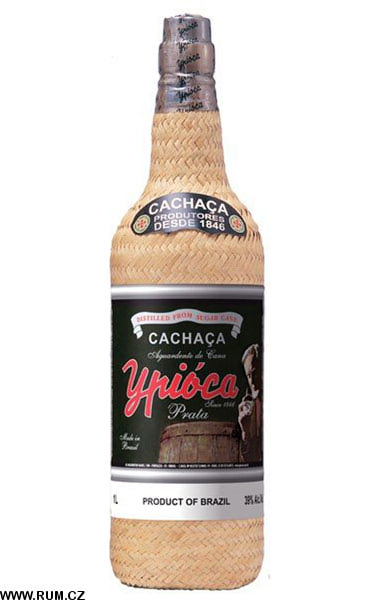
br44: Industria Brasileira; Distilled from sugar cane; Made in Brazil; Cachaça; Aguardente de cana; Ypióca Prata; Desde 1846; Ypióca Agroindustrial, LTDA; e 1L; Product of Brazil; 39% vol
br_964: Distilled from sugar cane; Cachaça; Aguardente de cana; Ypióca Prata; Desde 1846; Made inf Brazil; 7591073000057
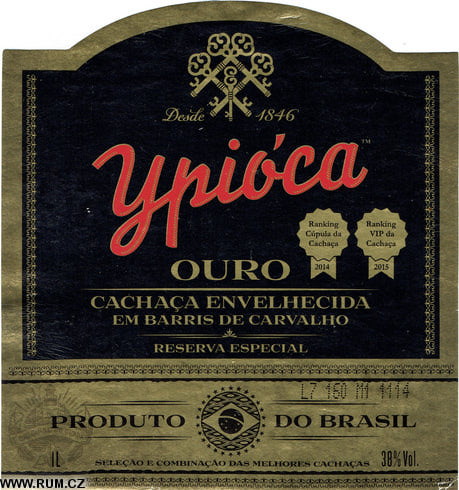
br117: Desde 1846; Ypióca Ouro; Cachaça envelhecida em barris de carvalho; Reserva Especial; Produto do Brasil; 1 l; Seleçâo e combinaçâo das melhores cachaças; 38% vol
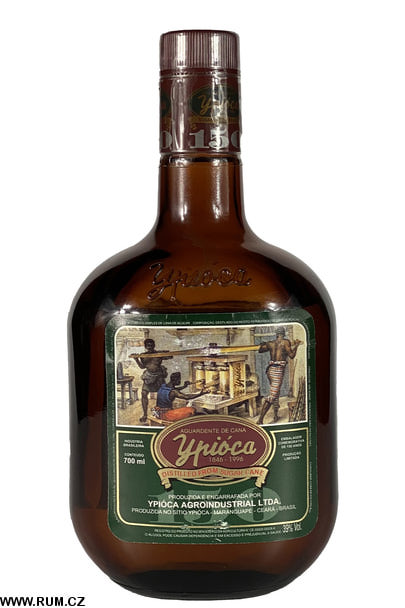
br48: Aguardente de cana; Ypióca 150; 1846 - 1996; Distilled from sugar cane; Ypióca Agroindustrial, LTDA; 750 ml; Product of Brazil; 39% vol
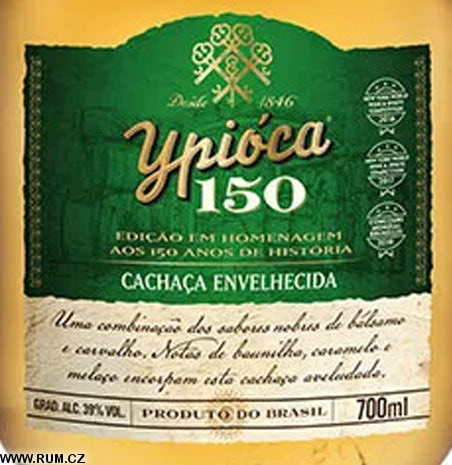
br_994: Desde 1846; Ypióca 150; Edição im Homonacem aos 150 anos de História; Cachaça Envelhecida; Grad.alc. 39% vol; Produto do Brasil; 700 ml; 7896383730107
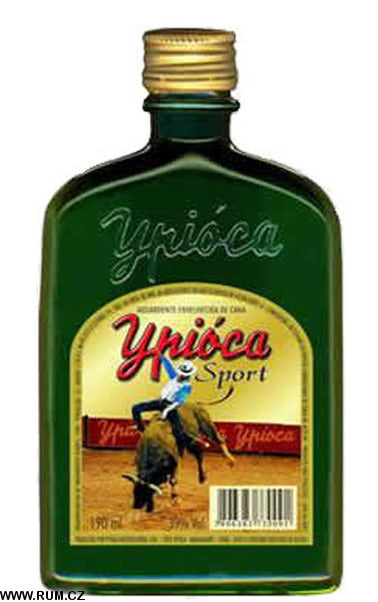
br_47: Ypióca Sport; 39 GL; 190 mL
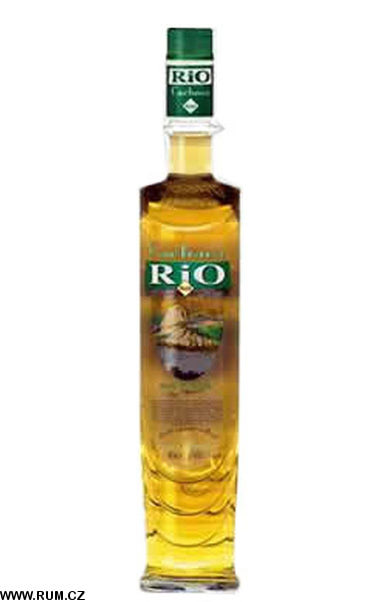
br_50: Cachaça Rio
br_53: Toucano
br_49: Caipirinhas Ypióca; 39 GL; 1 L
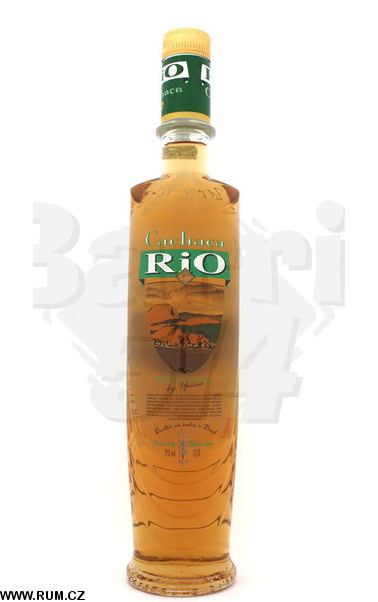
br_763: Cachaça Rio by Ypióca
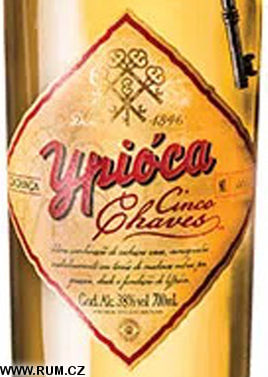
br_990: desde 1846; Ypióca Cinco Chaves; 38%; 700 cl
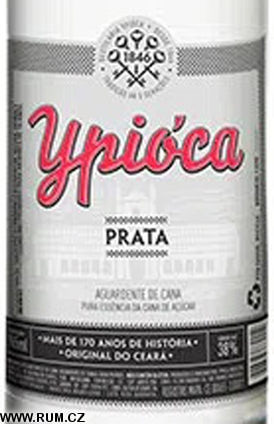
br_992: 1846; Ypióca Plata; Aguardente de Cana; 38%
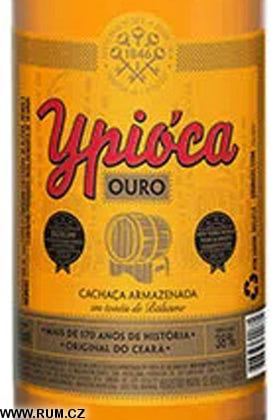
br_991: Ypióca Ouro
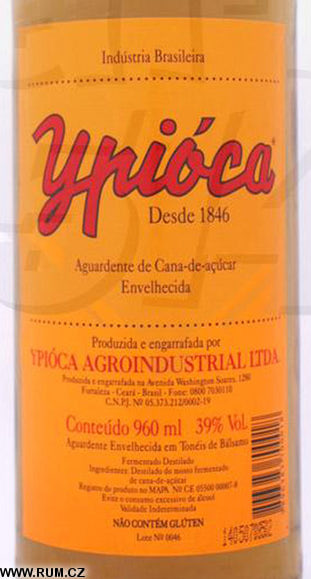
br_824: Indústria Brasileira; Cachaça Ypióca; Desde 1846; Aguardente de Cana-de-açúcar Envelhecida; Produzida e engarrafada por Ypióca Agroindustrial Ltda.; Conteúdo 960 ml; 39% vol
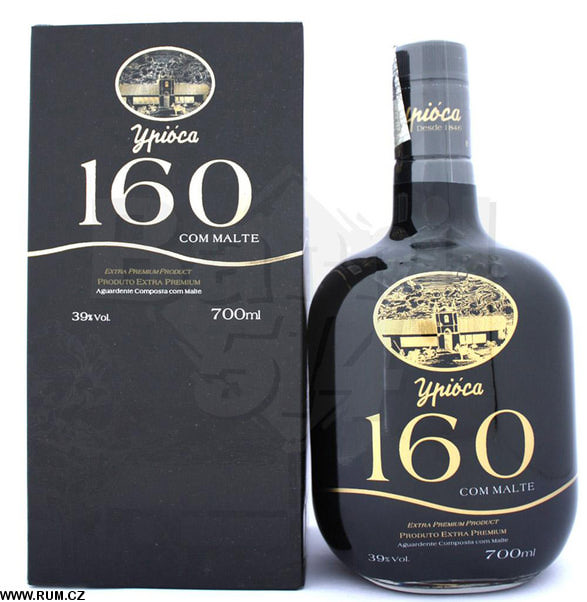
br_825: Cachaça Ypióca 160 Com Malte; Extra Premium Product; Produto Extra Premium; Aguardente Composta com Malte; 39% vol; 700 ml
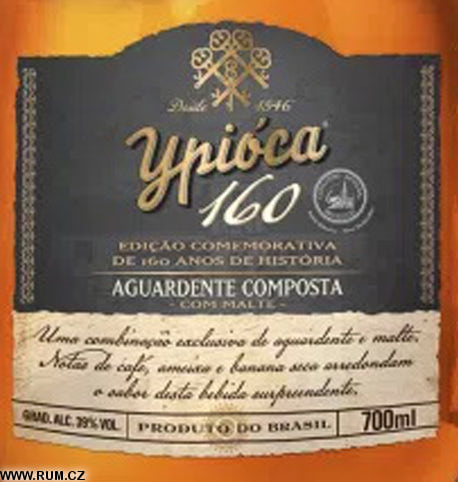
br_993: Desde 1846; Ypióca 160; Edição Comemorativa de 160 anos de História; Aguardente Composta; Com Malte; Grad.alc. 39% vol; Produto do Brasil; 700 ml; 7896383730107
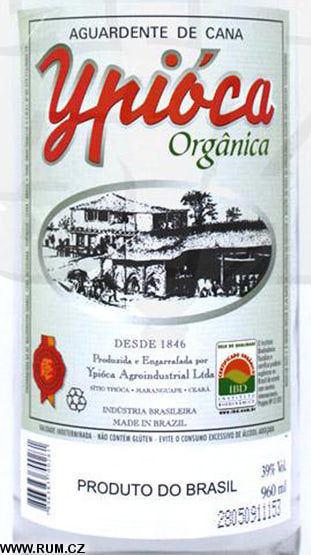
br_827: Aguardente de Cana Ypióca Orgânica; Desde 1846; Ypióca Agroindustrial Ltda
br_826: Cachaça Ypióca Limão; Ypióca Agroindustrial Ltda; 30% vol; 960 ml
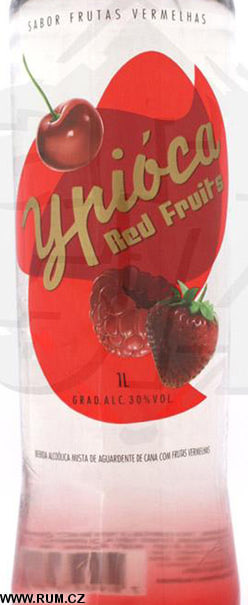
br_828: Sabor Frutas Vermelhas; Ypióca Red Fruits; 1 L; Grad. Alc. 30% Vol
br~3: Cachaça Ypióca Crystal; Spirit Destilled from Sugar Cane; Since 1846; Produzida e Engarrafada por Ypióca Agroindustrial LTDA.; 39% vol; product of Brazil; e 1.0 L; 7896383700216
br~9: Industria Brasileira; Conteudo 700 ml; Aguardente de cana; Ypióca; 1846 - 1996; Distilled from sugar cane; Embalagem Comemorativa 150 anos; Producao limitada; Produzida e engarrafada por Ypióca Agroindustrial, LTDA; Produzida no sito Ypióca, Maranguape, Ceara, Brasil; 39% vol; 7896383700100