Brazil

Fazenda Vacaro

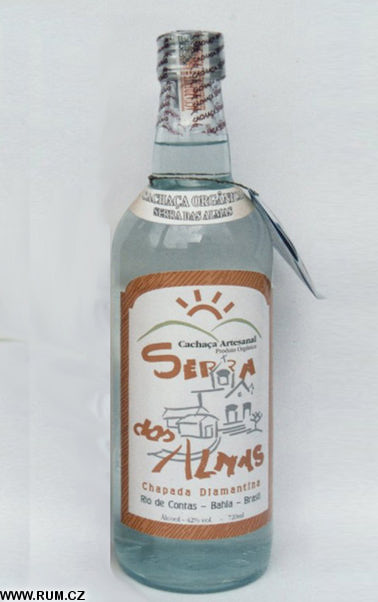
Serra das Almas

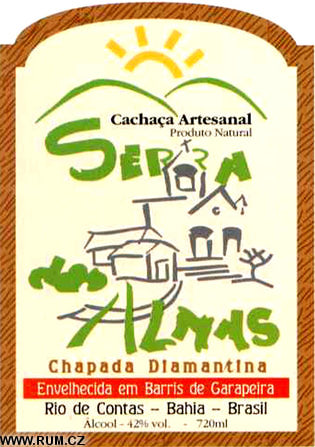
Serra das Almas
I have a picture only:(
Serra das Almas

Serra das Almas
I have a picture only:(

I have no labels, only the pictures:(


Pictures gallery

Is done in furrows (with 1.6 m between each row) with two parallel canes, 30 cm deep. 500 kg / ha of MB4 (limestone with micro organisms from grinded rocks in Alagoas), 500 kg / ha of natural phosphates from Irece, Bahia and 10 tons of dried manure are used as fertilizers. 30 days after planting the sugar cane, pig beans are planted between the rows, with a density of 12 plants per metre in rows of three.
More or less 60 days before the cutting, the Brix test (grade of sugar in the sugar cane) is carried out every two weeks, in order to determine which section will enter the mill first. Through insects damaged sugar cane is immediately grinded into fertilizer. Straw isn’t burned before the harvest. Cutting is done – as low as possible – with the “podao” (a local farmers’ utensil to cut cane). The dry leaves are left behind as fertilizer, the green leaves at the top of the sugar cane are used as fodder for cattle, thus being the first by – product. Only the quantity of sugar cane used within the next 24 hours is cut.
The selected sugar cane, with its leaves and roots already removed, enters the phase where the syrup is extracted. There are two types of machinery: the “forrageira” and the “moenda”. The first one crushes the sugar cane in order to facilitate the extraction of the syrup, the moenda does the extraction. After the extraction, the syrup circulates in a recipient called “decantador” where impurities are removed. After that, the filtered syrup goes into barrels to ferment. During grinding we acquire a second by – product (a residue called “bagaço”), which is very versatile. During the 2001 – 2002 harvest, the Fazenda Vaccaro used it as follows: as fuel for the boiler (30%); as fertilizer, in compost form, mixed with another by – product called “garapao”; as fertilizer on the sugar cane and coffee plantations. The by – product “ bagaço” can be added to the fodder of grazers, used as material for handmade wrapping, etc... The ashes from the boiler, rich in minerals (mostly potassium), are also used as fertilizer.
This is the most important phase in the production of cachaça, whose quality entirely depends upon an excellent fermentation. Are indispensable: the right ripeness of the sugar cane, the standardization of the Brix (grade of sugar) in the syrup before entering the fermentation process, the quality of the cane (low presence of insect perforation) and the composition of the broth (lacking components in the cane may cause deficiency in saccharine bacteria and thus compromise the fermentation). Fermentation of the syrup must take place within 36 hours after having entered the fermentation barrels. Over – fermented cachaça is removed together with the first part of the produced cachaça (the “cabeça”). The fermented syrup is called “vinho”.
The Fazenda Vaccaro uses two copper stills with a capacity of 400 litres each. The heating occurs through vapour, circulating in a metal tube in the still. This system results in a higher quality of the product, thanks to the equal heating of the “vinho”. This way we avoid burning of the liquid at the bottom, a result of direct fire. The boiler also accelerates the process. Temperature control in the still is done through metres regulating the vapour outlet. A more efficient distilling also reduces the acidity and the grade of copper in the cachaça.

Custom Search

Last modified: January 5, 2003 Created by Petr Hloušek
Hlouškovi  
Peter's Rum Labels

English Česky Deutsch/

TOPlist
Since 1997


Page themes: Chachaca artesanal; Produto Natural; Serra das Almas; Chapada Diamantina; Ria de Contas - Bahia - Brasil; Alcool 42% vol; 720ml;Chachaca artesanal; Produto Natural; Serra das Almas; Chapada Diamantina; Envelhecida em Barris de Garapeira; Ria de Contas - Bahia - Brasil; Alcool 42% vol; 720ml;